What to Do After a Road Accident in Nepal
February 04, 2026
What to Do After a Road Accident in Nepal
February 04, 2026
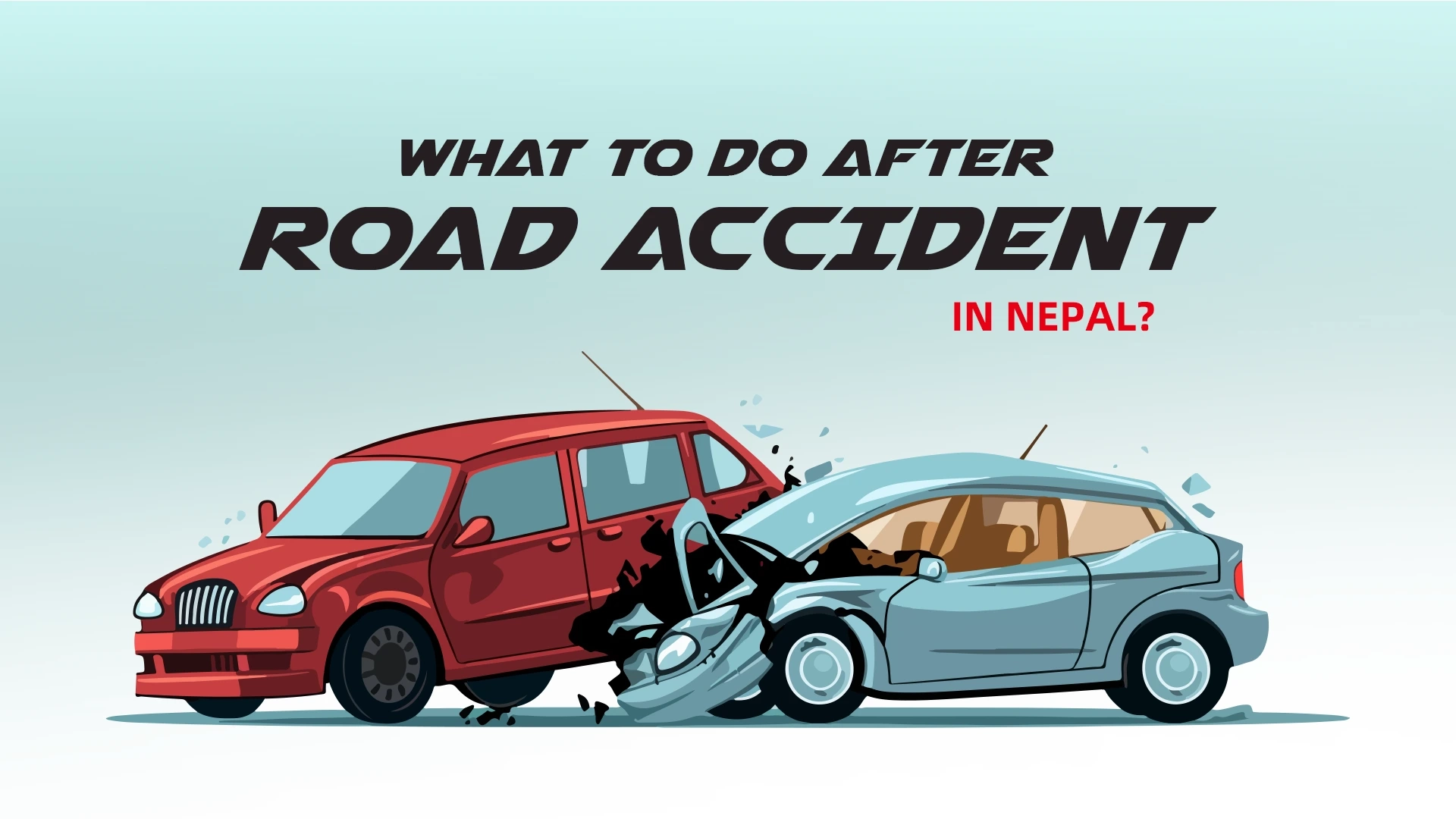
Road accidents can happen unexpectedly on Nepal’s busy highways or city streets.
Every year, many road accidents occur in Nepal; for instance, in the year 2024/2025, there were approximately 28,692 road accidents, and this number is expected to increase to over 30,000 in 2025/2026.
Knowing what to do after a road accident in Nepal can help you in your crucial time. You can properly handle safety, legal compliance, and smooth insurance processing.
If you act quickly and correctly, you get to protect your well-being, help document the incident properly, and support compensation claims if needed.
People have questions like:
“What should I do after a road accident?”,
“What steps should I take after an accident?”
“Do I need a lawyer after an accident?”
Well, we might help you with answers to all those questions in this blog.
You should prioritize your safety Immediately after an accident, your first concern should be the safety of all parties involved.
Taking these first steps helps prevent further harm and sets the stage for responsible action.
Once immediate safety is secured, contact emergency services without delay:
Authorities document the accident, assist injured individuals, and help manage the scene safely. Reporting the incident is a legal requirement in Nepal and essential for insurance processes.
After contacting the police, gather important information from the scene:
This information supports police reporting and insurance claims and helps clarify the circumstances of the crash later.
With the participant of the accident file an official accident report.
The police report typically includes details of the incident, statements from those involved, and any observations from officers.
The document later will be needed by insurers to process claims and can be critical if the case moves into legal or compensation proceedings.
Deal with police procedure, and inform your insurance company as soon as possible, if you can, within 24 hours. You need to provide all relevant details, including the police report, photos, and witness information.
Quick reporting helps insurers begin the investigation and claim process and reduces the risk of delays or disputes over coverage.
Once notified:
Follow the insurer’s instructions carefully to ensure smooth claim handling.
You might have wondered, “Do I need to hire a lawyer after an accident?” Well, you might need one in a complex situation.
In situations like disputes over fault, serious injuries, or uncooperative parties, legal guidance may be helpful.
A good lawyer can help with compensation claims, clarify your rights, and represent your interests if negotiations become difficult or litigation is necessary.
After an accident, be calm, get your composure collected, and work through every process.
If you are severely injured, get yourself help from around; call out for people if you can; if not, wait for surrounding people to take action. If you can get prompt action, accurate documentation, and adherence to legal procedure.
This not only protects your rights but also helps ensure faster compensation and fewer complications.
The words here will help you during an accident; if not, it will at least help you have an idea of what you’re dealing with. Be safe while you ride.
Vehicle Registration in Nepal: Importance, Rules, and Common Violations
January 20, 2026
Vehicle Registration in Nepal: Importance, Rules, and Common Violations
January 20, 2026
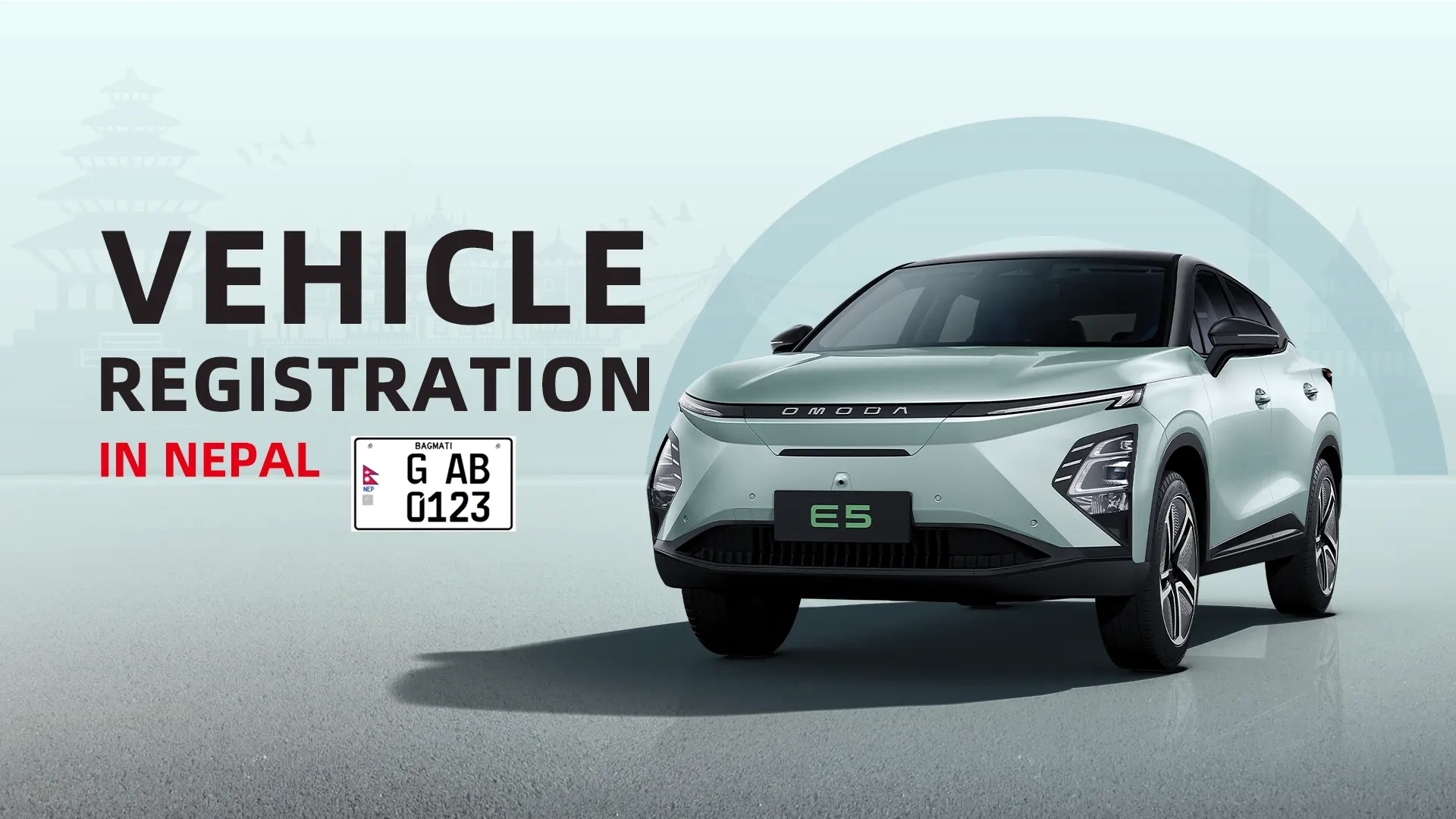
Vehicle registration in Nepal is a legal formality that you need to complete after buying your vehicle.
Vehicle registration allows your vehicle to operate lawfully on public roads. The rule applies for every vehicle, even for EVs; proper registration ensures that you follow national transportation laws.
The act helps you avoid fines, penalties, or legal complications.
Here, we have contained information that will help you know about the importance of vehicle registration in Nepal along with rules and common violations.
Vehicle registration is the official process of recording a vehicle with the Department of Transport Management (DoTM).
Once your vehicle is registered, it receives a unique registration number and a registration certificate, commonly known as the Bluebook.
This registration acts as legal proof that:
It is illegal to drive a vehicle on Nepali roads without a valid registration.
Registering your vehicle is essential for several reasons:
In short, vehicle registration serves to protect both the owner and the public.
All vehicle owners must follow the registration rules set by the transport authorities. The general process includes:
Firstly, the owner should submit their required documents: proof of identity, vehicle purchase invoice, insurance papers, and tax payment receipt.
The registration form must be submitted at the designated transport office under the Department of Transport Management.
Certain vehicles may undergo inspection to confirm roadworthiness and compliance with regulations.
Pay the required fee and tax according to the vehicle type. The payment cost varies depending on the vehicle type, not just with wheel count but also with engine type.
Once approved, the vehicle receives a Bluebook and official number plates, which must be displayed correctly at all times.
After vehicle registration, things don’t end there; their owners must regularly renew their Bluebook. Owners also need to pay their vehicle tax regularly and on time.
Keeping registration and tax records up to date is critical for continued legal driving.
Many traffic fines and penalties occur due to avoidable registration-related mistakes. Common violations include:
Owners of vehicles can maintain compliance by taking these easy actions:
These precautions ensure a hassle-free driving experience and help you avoid penalties.
If you own a vehicle, it is a mandatory and essential responsibility of yours to register it.
Getting your vehicle registered ensures legal compliance, supports road safety, protects ownership rights, and helps authorities manage traffic effectively.
If you understand the importance of registration and rules, it will help to avoid common violations. With that vehicle, owners can drive with confidence and peace of mind.
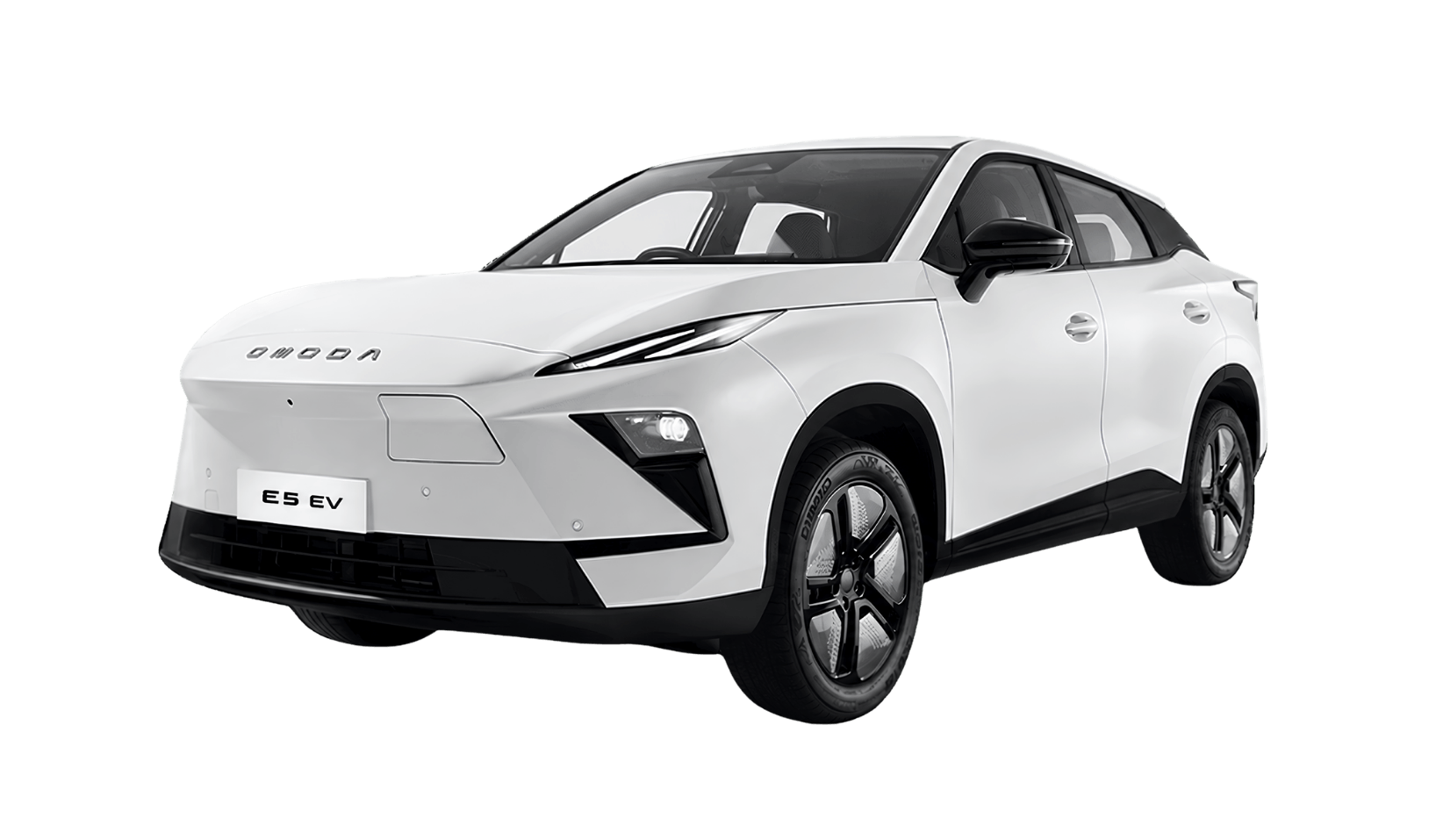
Get yourself our best EV in Nepal, “Omoda & Jaecoo,” and get it registered to ride with confidence.
How to Charge an EV at Home in Nepal?
January 18, 2026
How to Charge an EV at Home in Nepal?
January 18, 2026
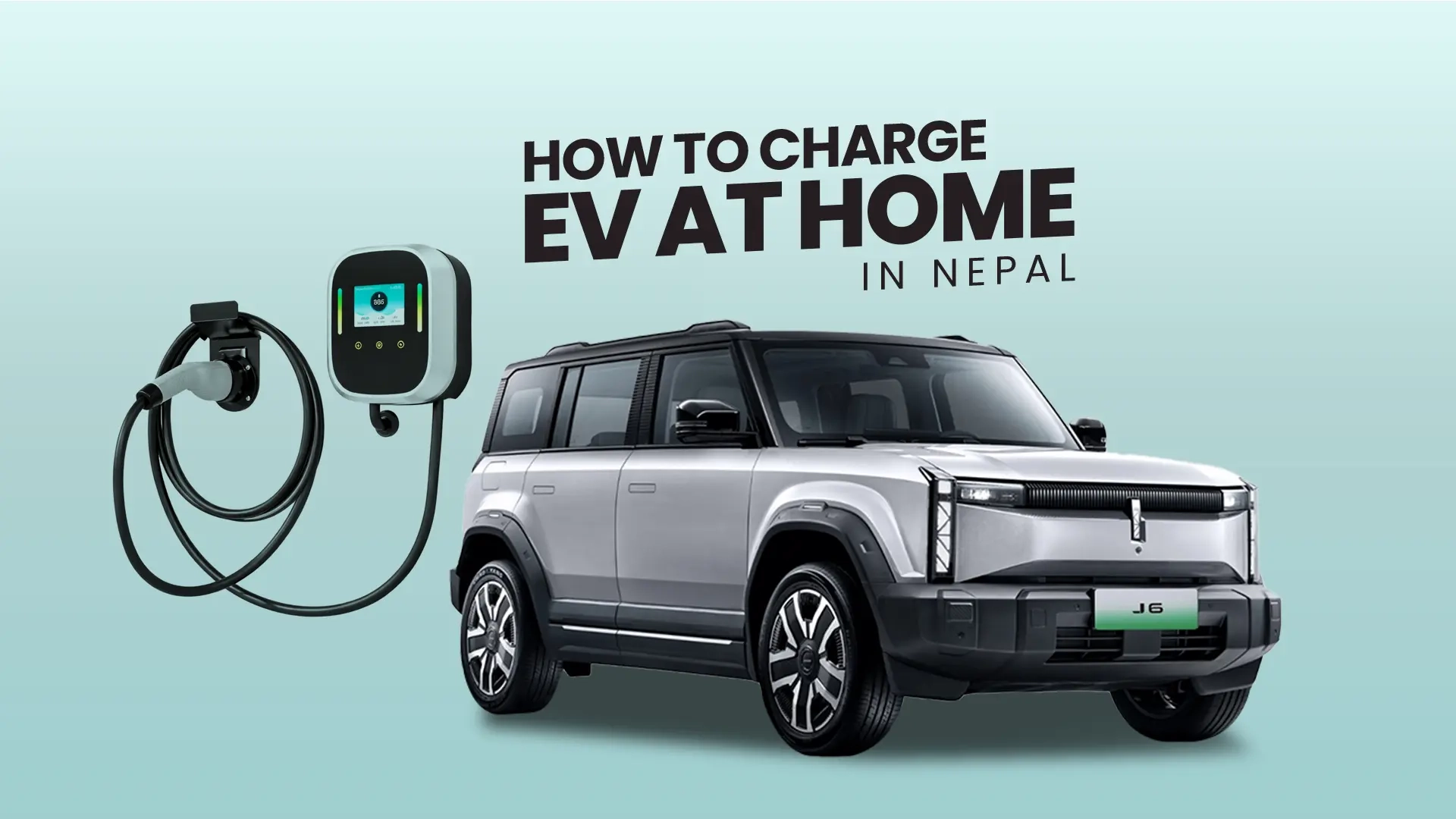
Nepal is rapidly adopting electric vehicles (EVs), and with that, home charging has become a need.
Having home charging is the most practical and preferred solution for many EV owners. Charging your EV at home offers convenience, cost savings, and better control over your daily charging routine.
Here we have provided an overview on how to charge an electric vehicle at home in Nepal. Having the idea of charger options, installation requirements, and costs provides safety considerations.
Home charging allows EV owners to start each day with a fully charged vehicle without depending entirely on public charging stations. It is ideal for daily commuters and households with their own parking space.
Key benefits include:
Level 1 charging uses a standard household power outlet and is usually included with the vehicle. Level 1, while it’s more accessible, takes a longer time to charge, as it’s only 120V.
This option is ideal for drivers who travel short distances and can leave their vehicle plugged in for extended periods of time.
Level 2 charging is the fastest way to charge an electric car at home. It is the most common among the EV owners in Nepal. Level 2 provides a 240V charging experience, making it fast and efficient.
You basically can leave your vehicle to charge overnight and get it ready to drive the next day. Most of the EV owners in Nepal prefer this, as it is more efficient and practical in the long run.
Level 3 chargers are typically installed in commercial and public locations and are designed to provide rapid charging with 300 to 1000 V for electric vehicles.
These chargers significantly reduce charging time, making them ideal for EV users who need quick top-ups during travel or busy schedules.
You can get going with DC fast charging, benefiting EV owners in Kathmandu for long-distance travel and high-usage needs.
You can find DC chargers along highways and in major commercial areas of Nepal, making long-distance EV travel more convenient.
Omoda&Jaecoo has established charging stations across multiple locations in Nepal, supporting easier and more reliable EV charging nationwide.
While planning to install an EV charger, we should first ensure safety and optimal performance. For that, several steps must be taken when installing a home EV charger.
Your home's electrical system must be evaluated to ensure that it can support the additional load of an EV charger. Minor upgrades may be required in certain situations.
Choose a charger compatible with your vehicle and suitable for your daily usage. Portable and wall-mounted AC chargers are commonly used for residential setups in Nepal.
A licensed electrician should handle installation, including wiring, circuit protection, and earthing. Professional installation minimizes electrical risks and ensures compliance with safety standards.
Once installed, the system should be tested thoroughly to confirm proper operation before regular use.
Home charging costs depend on electricity tariffs and battery size. In general:
Over time, home charging contributes to substantial savings compared to fuel-powered vehicles.
To ensure safe and efficient home charging, EV owners should follow these best practices:
Maintaining good charging habits also helps extend battery lifespan and improves overall vehicle performance.
From the above information, we can conclude that charging an EV at home in Nepal is a reliable, cost-effective, and convenient solution for modern EV owners.
Choosing the right charger, ensuring professional installation, and following safety guidelines, you can enjoy seamless daily charging while maximizing the long-term value of your electric vehicle.
As EV adoption continues to rise in Nepal, a well-planned home charging setup is becoming an essential part of sustainable and efficient mobility.
If you are planning to buy an Omoda&Jaecoo, level 2 chargers will be the best to install at your home.
Contact us to know more about Omoda&Jaecoo.
Yes. This is known as Level 1 charging and uses a standard household socket. It is convenient but slow, making it suitable only for short daily driving needs.
Charging time depends on the charger type. Level 1 charging may take 20–40 hours, while a Level 2 home charger can fully charge most EVs within 4–10 hours.
No. Home charging is generally cost-effective and significantly cheaper than fuel, especially when charging during off-peak electricity hours.
Most homes can support EV charging, but a professional electrical assessment is recommended. Installing a dedicated circuit improves safety and performance.
Yes, when done correctly. Using proper equipment, avoiding extension cords, and hiring a licensed electrician for installation ensures safe and reliable charging.
Vehicle Insurance in Nepal (EV)
December 21, 2025
Vehicle Insurance in Nepal (EV)
December 21, 2025
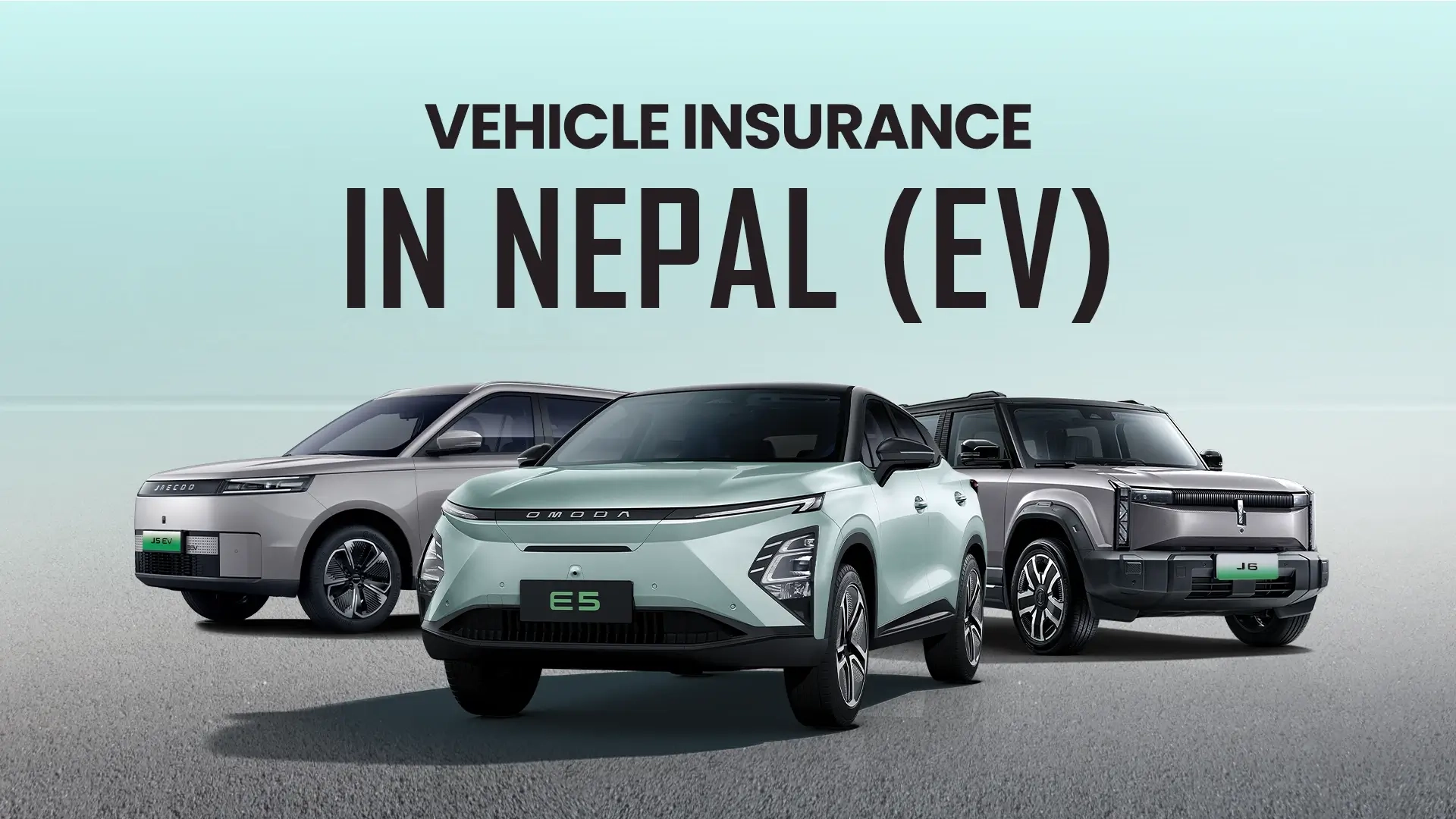
Vehicle insurance in Nepal is a mandatory aspect for every vehicle owner. The insurance protects you from unexpected financial losses.
It also ensures that you meet legal regulations set by Beema Samiti.
Whether you are buying a new car or renewing your existing policy, understanding the details related to vehicle insurance helps you save time, money, and stress.
Every vehicle in Nepal must have third-party insurance. The policy covers injuries, death, or property damage caused to others by your vehicle. Driving without third-party insurance is illegal and can result in fines or penalties.
2. Comprehensive Insurance Provides Stronger Protection
Comprehensive car insurance covers damage to your vehicle, fire, theft, natural disasters, accidents, and third-party liability—offering the most complete financial protection.
This is legally required for every car in Nepal.
Covers:
Does NOT cover:
This is the cheapest option but offers limited protection.
Comprehensive insurance provides full protection and is the most recommended option.
Covers:
It costs more than third-party insurance but saves huge expenses during major incidents.
Add-ons increase the premium but provide greater financial safety.
You need the following:
For claims, additional documents like photos and police reports might be required.
Step 1: Choose third-party (mandatory) or comprehensive EV insurance
Step 2: Select add-ons such as battery protection or charger coverage
Step 3: Prepare documents (bluebook, citizenship, license, photos)
Step 4: Apply online or visit an insurance company office
Step 5: Vehicle inspection (if required)
Step 6: Pay premium and receive your policy document
Step 7: Renew annually to maintain legal compliance
Insurance companies calculate EV premiums based on:
Higher-value EVs or those with larger batteries usually have slightly higher premiums
A 13% Value Added Tax (VAT) is applied when buying an EV and also on your EV insurance premium.
Electric vehicles are taxed based on their motor power (kW).
The exact percentage depends on the power category, but EV taxes are generally lower than fuel vehicle taxes.
EVs have a separate road tax system, and the amount is based on their motor power, not engine size.
This fee must be paid yearly during bluebook renewal.
When renewing EV insurance, companies may charge:
The exact fee depends on the insurance company.
Top companies offering vehicle insurance in Nepal include:
Comparing their coverage, claim process, and customer reviews helps you choose the best option. Visit their website to know more about these companies, or visit the nearby office.
There are two types of settlement:
Filing claims on time improves the chances of smooth processing.
Vehicle insurance in Nepal is both a legal requirement and a smart financial decision.
While basic third-party insurance is mandatory, comprehensive insurance offers much stronger protection.
For EV owners, specialized EV insurance ensures coverage for batteries, motors, and charging equipment, which makes it essential for safe and worry-free ownership.
Understanding the requirements, documents, premium factors, and add-on options allows you to choose the policy that provides the best long-term value and protection.
Get yourself the best EV of Nepal, Omoda&Jaecoo, get it insured, and drive it with pride.
Yes, third-party insurance is mandatory by law.
It varies based on car value, age, and coverage but is usually higher than third-party insurance.
Yes, switching is allowed during renewal.
Yes, many insurers offer zero-dep as an add-on.
Bluebook Renewal in Nepal (2026)—EV
December 21, 2025
Bluebook Renewal in Nepal (2026)—EV
December 21, 2025
Bluebook renewal is an essential legal requirement for all vehicle owners, including electric vehicle (EV) owners. Here, we have provided a comprehensive guide that walks you through every step that you need to renew your bluebook renewal in Nepal for EV.
There are few things that you need while applying for bluebook renewal in Nepal, so let’s walk through the content to know more on the topic.
A Bluebook in Nepal is the official vehicle registration document issued by the Transport Management Office (TMO). This document includes key vehicle details, ownership information, and your vehicle tax status. Renewing your Bluebook annually confirms that:
If the holder fails to renew the Bluebook on time, they will have to pay fines and attend to legal issues during traffic checks.
It’s best to check your expiry date in advance by reviewing your Bluebook or verifying it through official digital platforms to avoid penalties.
Before starting the renewal process, ensure you have the following:
For many vehicle owners, especially outside major cities, offline renewal remains a reliable method:
TMOs generally operate on weekdays during standard office hours.
Online renewal options help reduce waiting time and simplify payments.
The Nagarik App is the government’s official digital platform that allows vehicle owners to:
In some cases, a physical visit to the TMO may still be required for final stamping.
Popular digital wallets such as eSewa and Khalti offer Bluebook renewal payment services:
These platforms significantly reduce time spent at government offices.
Some private service providers offer door-to-door Bluebook renewal, handling both online payments and office visits on your behalf. This option is useful for busy vehicle owners.
Below are the fees required for bluebook renewal according to your EV type.
EV tax in Nepal is based on battery or motor capacity.
Tax rates may vary slightly depending on provincial regulations.
Late renewal results in penalties calculated as follows:
Renewing on time helps avoid unnecessary financial burden.
How to Apply for Driving License in Nepal?
Bluebook renewal is a mandatory annual process for the vehicle owner of every kind. These days vehicle owners have it easy; with the help of digital platforms such as the Nagarik App, eSewa, and Khalti, the process has become more efficient than ever. By renewing in time, you can avoid penalties and other legal consequences.
4-Wheel Drive vs All-Wheel Drive: Which One’s Right for You?
November 23, 2025
4-Wheel Drive vs All-Wheel Drive: Which One’s Right for You?
November 23, 2025
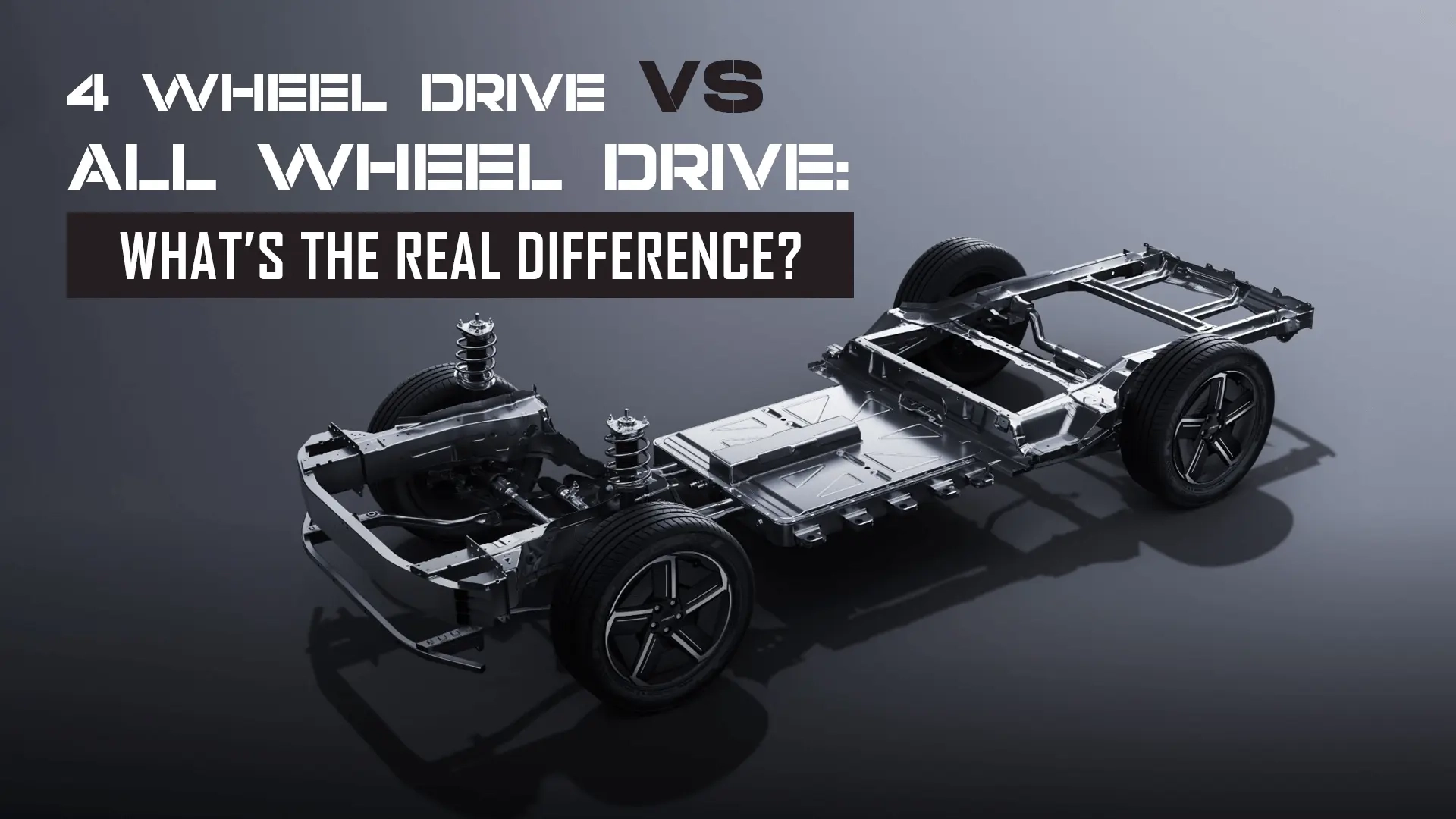
Buying a new car is something really special in a family. While selecting your next SUV is exciting, it’s equally critical to learn its performance. Explore Omoda & Jaecoo and get into two key terms: 4-Wheel Drive (4WD) and All-Wheel Drive (AWD).
Even though they sound similar, they are built for different driving styles and adventures. In this blog you will get a simple breakdown to help you decide which system fits your road, your routine, and your sense of adventure.
Selecting between 4WD and AWD isn’t just a technical choice—it directly impacts your driving experience. The right drivetrain influences:
Understanding how each system functions when comparing Omoda and Jaecoo SUVs guarantees that you get the most out of your car.
All-wheel drive systems are made to make regular driving more intuitive, safer, and smooth.
All four wheels in an AWD vehicle receive power automatically; no buttons or modes need to be switched. The system reacts instantly when it senses a loss of traction, giving you better grip on slippery or uneven roads.
To put it simply, AWD eliminates all uncertainty when driving.
Why you’ll love it:
Remember that 4WD is a better option if you intend to frequently traverse rocky or deep mud terrain because AWD isn't designed for extreme off-roading.
The 4x4 (or four-wheel drive) systems are designed for adventurers who say, "Let's go," when they see a rough road.
Unlike AWD, 4WD systems are often driver-controlled. You can choose when to engage it, depending on the terrain.
Low-range gearing, a setting that provides you with additional power and control for climbing steep slopes, crawling through rough terrain, or navigating deep snow or sand, is another feature of some vehicles.
Why it stands out:
A minor compromise: 4WD vehicles may weigh a little more and use less fuel, but that's a reasonable price to pay for unstoppable performance when you need it most.
| Feature | AWD | 4WD |
|---|---|---|
| Power Distribution | Automatic, all the time | Manually selectable (2H, 4H, 4L) |
| Driver Involvement | Hands-off and intelligent | Hands-on, adventure-ready |
| Ideal Terrain | City, highways, light off-road | Mountains, mud, deep sand, rocky roads |
| Ride Comfort | Smooth and efficient | Rugged and powerful |
| Fuel Efficiency | Slightly better | Slightly lower |
| Best For | Everyday driving with occasional adventure | Serious explorers and off-road enthusiasts |
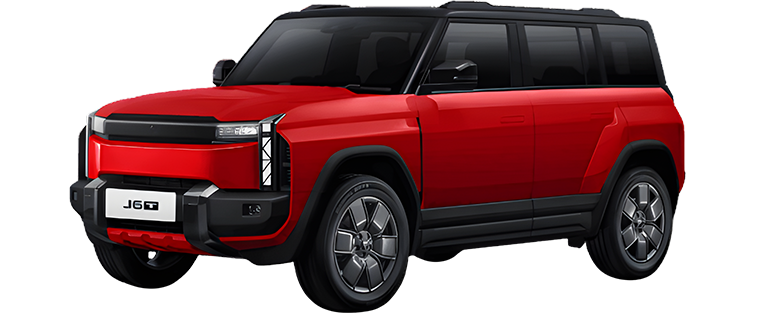
Every SUV from Omoda & Jaecoo is designed for drivers who demand more—more confidence, more control, and a stronger bond with the road.
In short: AWD gives you effortless stability, while 4WD delivers raw strength. Both reflect Omoda & Jaecoo’s philosophy of combining innovation with driving freedom.
Nepal's diverse terrain, which ranges from calm city streets to mountain passes and remote valleys, necessitates careful selection of drivetrain.
Whichever system you choose, Omoda & Jaecoo SUVs are designed to thrive in Nepal’s conditions—balancing performance, safety, and style in every drive.
When it comes to 4-Wheel Drive vs All-Wheel Drive, there’s no single “best” option there’s just the one that fits you.
AWD is the sensible, laid-back option if the majority of your trip is through the city with the occasional weekend getaway.
However, 4WD will be your dependable ally if your spirit demands adventure—the open roads, the mountains, and the uncharted.
Whatever you decide on, Omoda & Jaecoo SUVs guarantee that you will always drive with confidence on any road, in any weather, and on any adventure.