Explore Insightful Blogs from Omoda Nepal

Blog

Winter Tips for EV Cars in Nepal

December 26, 2024

Winter Tips for EV Cars in Nepal

Winter Tips for EV Cars in Nepal

December 26, 2024

Introduction

Electric vehicles (EVs) are gaining popularity in Nepal due to their various features that give out benefits such as cost-effectiveness and environmental benefits. Even with various features and benefits from EVs, they have to face some problems with Nepal’s weather and landscapes. Winter in Nepal gets harsh sometimes, especially in mountainous and hilly regions. This poses unique challenges to EV performance and maintenance. With problem comes solution, so proper care and preparation of your EV can ensure your EV operates efficiently and safely throughout the winter in Nepal.

In this blog, we will delve into the essential factors and tips that can be helpful for you to maintain your EV and its range this winter. We will cover all the tips that you can perform and use on your own for your EV, which helps to minimize challenges that you might face in winter in Nepal.

EV Winter Challenges in Nepal

Winter brings a variety of challenges for EVs in Nepal, including reduced battery efficiency, freezing door seals, and compromised road traction. The country's diverse terrain, ranging from the cold Himalayan regions to the chilly valleys, intensifies these challenges.

Key concerns during winter include:

  • Reduced Battery Efficiency: Cold temperatures can lower the capacity and performance of EV batteries, impacting range and charging times.
  • Frost Damage: Freezing conditions can affect your EV's exterior, door seals, and windshield.
  • Charging Points: Due to the lack of charging points in Nepal, it may create concerns among users. EV’s range declines during the winter, so it may need extra charging time than other days.

Importance of Winter Car Care for Electric Vehicles

Caring for your EV during the winter is crucial to maximize its performance and ensure safety. Proper maintenance and preparation not only protect your investment but also enhance your driving experience during the colder months.

Why winter car care is essential:

  • Prevents battery degradation due to extreme cold.
  • Reduces the risk of mechanical failures.
  • Improves energy efficiency and range.
  • Ensures a comfortable and safe ride.

Preparing Your EV for Winter Driving in Nepal

1. Winter Care for EV Exterior and Interior

Maintaining your EV's exterior and interior is vital to prevent damage caused by freezing temperatures and harsh road conditions.

Tips for caring for your EV's exterior and interior:

  • Preventing EV Door Seals from Freezing: Apply a silicone-based lubricant to door seals to prevent them from freezing shut.
  • Protecting the Windshield: Use a winter-grade windshield washer fluid to prevent freezing and maintain visibility.
  • Storing Your EV Safely During Prolonged Winter Inactivity: Park in a garage or use a car cover to protect your vehicle from frost and snow buildup.
  • Maintaining the Paintwork: Apply paint protection film to protect your EV's paintwork during the winter from any harsh tension on the paint layer.

2. Common Mistakes to Avoid for EV Cars in Winter

Avoiding common pitfalls can save you from costly repairs and ensure your EV performs optimally during winter.

Mistakes to avoid include:

  • Overcharging the EV Battery in Cold Temperatures: Charging to 100% frequently in cold weather can stress the battery. Stick to an 80% charge for daily use.
  • Ignoring Pre-Warming Techniques Before Driving: Warm up your EV while it’s still connected to the charger to avoid draining the battery.
  • Neglecting Software Updates for Winter Optimization: Manufacturers often release updates to optimize EV performance in winter conditions. Keep your system updated.
  • Avoid High Speed: Avoid driving your EV at high speed during winter; high speed will use more energy, decreasing your range consumption.
  • Skipping Regular Maintenance: Failing to check tire pressure, battery health, and brakes can lead to reduced efficiency and safety.

3. Best Cabin Comfort Approach in Your EV During Winter

Maintaining a comfortable cabin environment is essential for a pleasant driving experience while conserving battery power.

Tips for optimizing cabin comfort:

  • Using Seat Warmers Instead of Full Cabin Heating: Seat warmers consume less energy than the heating system, preserving battery life.
  • Efficient Defogging and De-Icing Techniques: Use the car’s defogging and de-icing settings strategically to avoid overusing energy.
  • Setting Climate Control to Eco Mode: Eco Mode helps balance cabin comfort with energy efficiency.
  • Preconditioning the Cabin: Heat the cabin while the car is plugged in to avoid using battery power.
  • Managing Humidity Levels: Use silica gel packets or a dehumidifier to prevent fogging inside the car.

4. Protecting EV Components for Winter Safety in Nepal

Winter driving in Nepal, while not as extreme as in some countries, still requires careful attention to your EV's critical components. The moderate winters in most parts of Nepal mean that while heavy snowfall and icy roads are uncommon in urban areas, colder temperatures can still impact vehicle performance. Ensuring your EV is winter-ready can enhance safety and efficiency during this season.

Key Points for Component Care in Nepal:

1. Regularly Checking Tire Pressure and Condition

  • Cold weather can cause tire pressure to drop, impacting vehicle efficiency and safety.
  • Perform routine checks to ensure tires are inflated to the recommended levels.
  • Examine tire treads to ensure they provide adequate grip, especially for hilly or uneven terrains common in Nepal.

2. Inspecting Regenerative Braking Performance in Mild Winter Conditions

  • Regenerative braking systems in EVs can behave differently in colder conditions.
  • Test braking performance before driving, especially in the mornings when temperatures are lowest.
  • Drive cautiously on damp or foggy roads that can reduce traction.

3. Monitoring Suspension and Steering Systems

  • Roads in Nepal, especially in rural or hilly areas, can become more challenging during winter due to fog, rain, or frost.
  • Inspect suspension and steering systems to ensure smooth handling and stability.

4. Keeping the Battery Heating System in Check

  • While most areas in Nepal don’t experience extreme cold, maintaining the battery heating system is essential for areas like the Kathmandu Valley or higher altitudes.
  • Regularly inspect the heating system to ensure optimal performance and prevent battery degradation.

5. Ensuring Adequate Washer Fluid Levels

  • Replace windshield washer fluid with a winter-grade solution to prevent freezing during colder mornings in Nepal’s hill stations or higher altitude regions.

6. Cleaning and Protecting Your EV Components

  • Nepal doesn’t use road salt, but dirt, mud, and debris from winter roads can accumulate.
  • Clean your car regularly, focusing on the undercarriage to prevent damage or blockages.

How EV Owners in Nepal Can Save Energy During Winter

Energy efficiency becomes even more critical during winter to mitigate the reduced battery range caused by cold temperatures.

Energy-saving tips for Nepali EV users:

  • Plan Efficient Routes: Use navigation tools to find the shortest and least congested routes.
  • Drive at Moderate Speeds: Avoid rapid acceleration and braking, as they consume more energy.
  • Use Public Charging Stations: Take advantage of public fast chargers to minimize home energy consumption.
  • Limit Unnecessary Weight: Remove items from your trunk or cabin to reduce the vehicle's load.
  • Monitor Energy Use via Apps: Use your EV’s companion app to track energy consumption and optimize settings.

For detailed tips on increasing range in winter and to save your EVs energy, read our blog on "Tips to increase your EV range in cold weather"

Conclusion

Winter poses unique challenges for EV owners in Nepal, from reduced battery efficiency to slippery roads. However, with proper preparation and care, you can ensure your electric vehicle remains reliable and efficient throughout the season.

By following these winter tips, you can confidently navigate Nepal's diverse terrain and weather conditions, enjoying a safe and efficient ride in your electric vehicle. Stay prepared, stay safe, and make the most of your EV this winter.

Top Factors That Impact Your Electric Vehicle Range

November 08, 2024

Top Factors That Impact Your Electric Vehicle Range

Top Factors That Impact Your Electric Vehicle Range

November 08, 2024

Introduction to EV and its adoption in Nepal

The electric vehicle (EV) industry in Nepal is witnessing rapid growth, driven by increasing environmental awareness and advancements in green technology. As Nepal’s automotive sector moves towards electrification, understanding the factors that impact an EV’s range is crucial for both manufacturers and drivers.

The range of an EV refers to the distance it can travel on a single charge, and several factors can influence this performance. We will explore these factors in detail to help EV owners make the most of their vehicles’ capabilities.

Why is Understanding Your EV Range Important?

Understanding your EV’s range is essential for effective planning and reducing range anxiety—the fear of running out of power before reaching a charging station. For daily commuting and long-distance travel, drivers need to consider the range of their vehicles, along with the various factors that could impact them. Optimizing these factors can help drivers get the most out of their EVs, ensuring both efficiency and longevity.

Factors That Affect Your EV Range

Here are some major factors that affect your EV range:

Technical Factors

  1. Battery Size: The size and capacity of the battery are the primary determinants of the electric vehicle’s range. Larger batteries can store more energy, allowing the vehicle to travel farther on a single charge. However, larger batteries also come with added weight, which can reduce the overall range.
  2. Technical Specifications and Design: The overall design of the vehicle, including its weight, aerodynamics, and motor efficiency, directly impacts the range. Vehicles designed with energy efficiency in mind, such as streamlined shapes and lightweight materials, tend to perform better in terms of range.
  3. KERS (Kinetic Energy Recovery System): Some EVs are equipped with KERS, which helps recover energy during braking and deceleration. This system converts the kinetic energy produced during braking into electrical energy, which is stored in the battery and extends the vehicle’s range.

Driving Habits Factors

  1. Aggressive Driving vs. Smooth Driving: Speeding, rapid acceleration, and hand braking can quickly drain an EV’s battery. On the other hand, smooth driving with gentle acceleration and braking can help conserve energy, extending the range. Proper driving methods make a long run of EV range give much potential.
  2. Regenerative Braking and Energy Conservation: EVs with regenerative braking systems allow drivers to recapture energy while slowing down. By using regenerative braking effectively, drivers can improve their vehicle’s range without needing additional energy from the battery.
  3. Charging Habits: Frequent partial charging can sometimes help maintain the health of an EV’s battery compared to full charges or complete discharges. Ensuring the battery is charged optimally and consistently can prevent degradation, which can affect range over time.

Natural Factors

  1. Geography: The terrain on which an EV is driven significantly impacts its range. Driving uphill consumes more energy than driving on flat roads, while downhill driving can benefit from regenerative braking and conserve energy. Differences in geography, mostly during long trips, can affect the range.
  2. Weather Conditions: Extreme temperatures, both hot and cold, can affect battery efficiency. Cold weather can reduce the battery’s capacity, limiting the vehicle’s range, while hot weather can strain the cooling systems and decrease performance. Additionally, using climate control systems like cabin heating and air conditioning in these conditions can further drain the battery, reducing range even more.

Other Factors

  1. Vehicle Load and Cargo Weight: The heavier the load, the more energy the vehicle needs to move. Carrying extra weight, whether from cargo or passengers, requires your EV to use more energy, reducing its range. To optimize efficiency, minimize unnecessary load, especially on long trips or in stop-and-go traffic, where the impact is more noticeable.
  2. Tire Pressure and Vehicle Maintenance: Under-inflated tires create more rolling resistance, causing the EV to work harder and consume more energy. Regular maintenance, including checking tire pressure, fluid levels, and the condition of the battery, keeps your vehicle running efficiently and can help improve range.

How to Maximize Electric Car Range?

Here are some strategies to maximize EV range:

  • Vehicle Preconditioning: Precondition your EV while it’s still plugged in to optimize the cabin temperature without using battery power. This can help maximize range, especially during extreme weather conditions.
  • Regenerative Braking: Use regenerative braking wherever possible to recapture energy while slowing down. This can help extend the range without needing to draw more power from the battery.
  • Routine Maintenance: Regular vehicle maintenance, including tire pressure checks, fluid level monitoring, and software updates, can ensure your EV is running at peak efficiency.
  • Choosing the Right Vehicle: Make sure to choose an EV that suits your driving needs. For daily commutes or long-distance travel, selecting a vehicle with an appropriate battery capacity and technical specifications is important for maximizing range.

Conclusion

Electric vehicles represent the future of sustainable transportation. To get the most out of an electric vehicle, it’s important to consider all the factors influencing its range, from technical specifications and driving habits to weather conditions and maintenance practices. By understanding and optimizing energy conservation techniques, EV drivers can reduce range anxiety and ensure a smoother, more efficient, eco-friendly driving experience.

Electric Vehicles in winter: Tips to increase your EV range in cold weather

October 24, 2024

Electric Vehicles in winter: Tips to increase your EV range in cold weather

Electric Vehicles in winter: Tips to increase your EV range in cold weather

October 24, 2024

How Does Cold Weather Affect EV’s Range?

Cold weather can significantly reduce the range of electric vehicles (EVs) due to the extra energy required for heating and maintaining battery performance. As temperatures drop, the vehicle’s cabin heating system and battery management consume more power, reducing the available energy for driving. Cold temperatures also affect the battery’s efficiency, slowing down the chemical reactions that generate electricity. This combination of factors can result in a noticeable decrease in range, with some estimates suggesting up to 40% in extreme cold.

To minimize this impact, pre-conditioning the vehicle while it's still charging and adopting efficient driving habits can help preserve battery life and range during colder months. Understanding how weather affects EV performance is crucial for planning longer trips in winter conditions.

Why Do Electric Vehicles Lose Range in Cold Weather?

Electric vehicles (EVs) lose range in cold weather primarily because of the differences in how electric motors and internal combustion engines (ICE) generate and use heat.

  • Heat generation differences: ICE vehicles produce significant waste heat from burning fuel, which can be repurposed to warm the cabin. In contrast, EVs are highly efficient and produce very little waste heat, so they must use battery power to generate heat for the cabin, increasing energy consumption.
  • Increase energy demand: Cold temperatures cause the EV’s heating system to draw more power for maintaining a comfortable cabin temperature. This demand ignificantly reduces the energy available for driving.
  • Battery efficiency: Lithium-ion batteries perform less efficiently in cold weather, requiring more energy to operate and maintain their optimal temperature. This further drains the available range.
  • Slower chemical reactions: The colder it gets, the slower the chemical reactions inside the battery, reducing its ability to hold and deliver energy as efficiently as in warmer conditions.

By pre-conditioning the car while charging and using energy-efficient heating strategies, drivers can mitigate these range losses in cold weather.

7 Tips to Increase Your EV Range During Winter

Here are some EV tips that you can easily follow to increase your EV range during winter:

EV Tip #1: Use Seat and Steering Wheel Heating Instead of Cabin Heating

Heating the entire cabin consumes significant battery power. Instead, using seat and steering wheel heating is more energy-efficient, as it directly warms the occupant. To conserve even more energy, only heat the seats that are in use, reducing the strain on your battery.

EV Tip #2: Preheat the Cabin While Plugged In

Preconditioning the vehicle by warming the cabin while still plugged into a charger, either through a wall box or mobile app, can help conserve battery energy for driving. Using external power for heating ensures that the battery charge is fully preserved for your trip, maximizing range in cold conditions.

EV Tip #3: Use Cruise Control to Maintain a Steady Speed

Maintaining a consistent speed with cruise control helps reduce energy consumption by avoiding rapid acceleration or braking. Slowing down slightly can further extend your range, especially on long journeys.

EV Tip #4: Plan Your Routes Ahead of Time

Efficient route planning is essential to minimize battery drain. Avoid unnecessary detours and use navigation systems or apps to locate charging stations along the way, ensuring a smooth and energy-efficient drive.

EV Tip #5: Charge to a Higher Level Before Long Trips

Before embarking on long winter trips, it’s wise to charge your vehicle to 100%. Cold temperatures can lower battery efficiency, and being fully charged provides a buffer for unexpected delays or traffic, helping you avoid running out of power.

EV Tip #6: Take Advantage of Eco Mode

Eco mode in electric vehicles helps limit energy consumption by restricting the power output, even during acceleration. This allows you to drive further on a single charge and makes the vehicle more efficient. Additionally, eco mode reduces the charge of wheel slip in winter by slowing acceleration, improving safety on icy or snowy roads. It’s worth reviewing your vehicle’s manual to understand how to best utilize eco mode during colder months.

EV Tip #7: Monitor Tire Pressure and Use Winter Tires

Cold weather can cause tire pressure to drop, increasing rolling resistance and reducing efficiency. Regularly check tire pressure and consider switching to winter tires for better traction, safety, and optimized range during colder months.

Winter Maintenance Tips for Electric Vehicles

Here are some minimal winter maintenance tips for your EV:

  1. Keep Your Battery Charged and Warm
    In winter, it's important to charge your vehicle more frequently, as cold temperatures can drain the battery faster. Keeping the battery charged and warm helps maintain performance and range.
  2. Inspect Tires Regularly
    Cold weather affects tire pressure, so check it more often during winter. Ensure your tires are in good condition and properly inflated to improve traction and efficiency on icy or snowy roads.

Conclusion

In conclusion, cold weather presents unique challenges for electric vehicles, from reduced battery efficiency to increased energy demands for heating. By taking simple steps like using eco mode, maintaining tire pressure, and keeping the battery charged and warm, you can optimize your vehicle’s performance and range during winter. Thoughtful maintenance and driving habits will help you navigate the cold months more efficiently and safely.

Best Road Trips to take an Electric Car in Nepal

September 23, 2024

Best Road Trips to take an Electric Car in Nepal

Best Road Trips to take an Electric Car in Nepal

September 23, 2024

Electric vehicles (EVs) are becoming an increasingly popular mode of transportation around the world, including in Nepal. Powered by electricity instead of traditional fossil fuels, EVs offer a cleaner, more sustainable alternative, significantly reducing air pollution and greenhouse gas emissions. In Nepal, the demand for EVs has surged in recent years.

Taking a road trip in an electric car offers several eco-friendly benefits and practical advantages. One of the most significant is the reduction of carbon emissions, as electric vehicles produce zero tailpipe emissions, helping to lower air pollution and minimize environmental impact. On a practical level, road trips in electric cars are often more cost-effective, as charging an EV is usually cheaper than refueling a gasoline-powered vehicle, and regenerative braking systems improve energy efficiency. Quiet, smooth rides and advanced technology features in many EVs also enhance the overall road trip experience, making it both eco-friendly and enjoyable.

Why are Electric Cars ideal for road trips in Nepal?

  1. Eco-Friendly Travel: Electric cars are ideal for road trips in Nepal due to their environmentally friendly design. With zero tailpipe emissions, they help reduce air pollution, which is a significant issue in Nepal, particularly in urban areas like Kathmandu. As Nepal's electricity is derived from renewable energy sources like hydropower, using electric cars for long-distance travel contributes to cleaner air and lower carbon footprints.
  2. Cost Efficiency: Electric vehicles are more cost-effective compared to conventional gasoline-powered cars, especially on long road trips. With Nepal's rising fuel prices, the ability to charge an EV for a fraction of the cost of refueling makes it a more affordable option for road trips. Additionally, EVs have fewer moving parts, which means lower maintenance costs, saving travelers money on repairs and servicing.  
  3. Quiet and Comfortable Driving Experience: Electric cars offer a quieter and smoother driving experience, which is a major advantage on long road trips, especially through the rugged and scenic routes in Nepal. Without the noise of traditional combustion engines, EVs allow travelers to enjoy the peaceful surroundings of Nepal's mountains, valleys, and forests.
  4. Sustainability and Responsible Tourism: Using electric vehicles for road trips promotes responsible tourism, which is a growing trend in Nepal. As more travelers become environmentally conscious, EVs provide an excellent way to explore the country's natural beauty without contributing to its environmental degradation. By opting for electric cars, tourists can support Nepal's efforts to protect its environment.
  5. Charging Infrastructure Growth: The charging infrastructure in Nepal is expanding steadily, making it easier to plan road trips with electric vehicles. The government and private companies are working together to install more charging stations, especially along major highways and tourist routes. Fast-charging stations are becoming more common in urban centers and popular travel destinations.
  6. Technological Advancements and Range: Modern electric vehicles offer improved battery range and efficiency, making them increasingly suitable for long-distance travel in Nepal’s diverse terrain. Many new EV models can travel over 300 kilometers on a single charge, which is sufficient for many popular road trip routes in the country.

Top Electric Car Road Trips in Nepal

1. Kathmandu to Pokhara

The journey from Kathmandu to Pokhara is one of the most popular road trips in Nepal, offering stunning views of the Himalayas and picturesque landscapes. The distance from Kathmandu to Pokhara is approximately 200 km. Pokhara, known for its tranquil lakes and panoramic mountain views, is a major tourist destination. With charging infrastructure developing in both cities, this road trip is convenient for EV owners, and the smooth, quiet drive makes the trip more enjoyable as you pass through scenic rivers, hills, and villages.

  • Distance: 200km
  • Difficulty: Easy, Pitched road
  • Charging stations: Mugling (Prithvi Highway)

2. Kathmandu to Chitwan National Park

Chitwan National Park is a UNESCO World Heritage Site, famous for its rich wildlife, including rhinos, tigers, and elephants. The road trip from Kathmandu to Chitwan is about 150 km. The relatively short distance is manageable for most electric cars, especially with the availability of charging points in major towns like Hetauda along the route. Driving an EV to Chitwan not only cuts down on carbon emissions but also aligns with the park’s conservation ethos, making it an eco-friendly journey for nature lovers.

  • Distance: 150km
  • Difficulty: Easy, Pitched road
  • Charging stations: Naubise, Mugling, Bharatpur

3. Kathmandu to Lumbini

Lumbini, the birthplace of Lord Buddha and a UNESCO World Heritage Site, is a sacred destination for Buddhists and travelers alike. The road trip from Kathmandu to Lumbini offers a mix of scenic beauty and cultural significance, with the journey taking you through the hills and plains of Nepal. The distance from Kathmandu to Lumbini is approximately 260 km. Though slightly longer than the trip to Chitwan or Pokhara, the route has sufficient charging stations, especially near Butwal and major towns. This makes it feasible for EVs with good range.

  • Distance: 260km
  • Difficulty: Easy, Pitched road
  • Charging stations: Naubise, Mugling, Butwal

4. Pokhara to Mustang

The drive from Pokhara to Mustang is one of the most adventurous road trips in Nepal. Mustang, located in the trans-Himalayan region, offers a stark and rugged beauty with a landscape that resembles the Tibetan plateau. The distance from Pokhara to Mustang is 160 km. While the road is challenging and partially unpaved in sections, electric cars with good ground clearance and range are becoming increasingly suitable for this trip. Charging infrastructure in Mustang is limited but improving, so careful planning and charging in key locations like Beni and Jomsom are essential.

  • Distance: 160km
  • Difficulty: Hard, Unpitched road
  • Charging stations: Pokhara, Beni, Tatopani (on progress)

5. Kathmandu Valley Circuit

The Kathmandu Valley Circuit is a relatively short yet enriching road trip around the Kathmandu Valley, covering destinations like Bhaktapur, Patan, Dhulikhel, Nagarkot, and Pharping. It takes 100 km and about 2-3 hours to travel around Kathmandu Valley Circuit. This trip offers a combination of historical sites, cultural heritage, and natural beauty, all within close proximity. Ideal for electric vehicles, the circuit has multiple charging points, making it simple to explore the valley in an eco-friendly way. The smooth roads and short distances between each destination make this a comfortable and convenient road trip, allowing travelers to experience ancient temples, hilltop viewpoints, and local culture without worrying about running out of power. You can complete the entire trip in a day or extend it into a relaxing weekend getaway.

  • Distance: 100km
  • Difficulty: Easy, Pitched road
  • Charging stations: Ratnapark, Patan, Bhaktapur, Thapathali, New Baneshwor

Other Exciting Road Trips:

  1. Kathmandu to Bandipur
  2. Kathmandu to Dolakha
  3. Kathmandu to Rasuwa

Essential Tips for Planning an Electric Car Road Trip in Nepal

  • Plan Charging Stops: Nepal’s charging infrastructure is growing, but it’s still limited in certain rural or remote areas. Major highways between cities like Kathmandu, Pokhara, and Chitwan have established charging stations, but once you move beyond urban centers, charging points can be sparse. Before starting your journey, research the available charging stations along your route and note their locations.
  • Check Road Conditions: Nepal’s terrain is diverse, with a mix of well-paved roads and more rugged, mountainous paths. Roads like the Prithvi Highway (Kathmandu to Pokhara) and Tribhuvan Highway (Kathmandu to Chitwan) are generally in excellent condition, but some rural and mountainous routes are very challenging. Poor road conditions can affect your electric car’s energy consumption, as driving uphill or on rough terrain can drain your battery more quickly.
  • Know Your Car’s Range: Modern electric cars often have ranges between 200 and 400 km on a full charge, but factors like steep climbs, frequent stops, or heavy loads can reduce that range. Be sure to factor in these variables when planning your journey. In hilly regions, battery usage can increase due to the extra energy required for uphill climbs. Use regenerative braking whenever possible, especially downhill.
  • Carry Portable Chargers: Given the variability of charging infrastructure in Nepal, carrying a portable charger can be a lifesaver, especially if you’re traveling to remote or less-developed areas. Some electric vehicles come with travelable charging options that allow you to plug into a standard power outlet, which can be useful if you’re staying in hotels or guesthouses that don’t have dedicated charging stations.

Best Time of Year for an Electric Car Road Trip in Nepal

  • Autumn (September to November): Autumn is widely considered the best season for road trips in Nepal. During these months, the weather is clear, dry, and moderate, making driving conditions ideal for electric vehicles (EVs). The monsoon rains have passed, leaving the roads in better condition, and the skies are often clear, providing stunning views of the Himalayan mountains.
  • Spring (March to May): Spring is another excellent season for an electric car road trip in Nepal. The weather is warm but not too hot, with temperatures between 20°C and 30°C in most areas, and the roads are dry and easy to navigate. This season also offers the added beauty of blooming rhododendrons and lush greenery along your route, especially if you're traveling in hilly or mountainous areas.
  • Winter (December to February): Winter can be a wonderful time for road trips in certain parts of Nepal, though it requires more careful planning. In lower-altitude regions like Chitwan and Lumbini, the weather is cool and pleasant, making these areas ideal for road trips in an electric car. However, temperatures in higher-altitude regions like Mustang and the Himalayan areas can drop significantly.

Future of Electric Vehicles and Road Trips in Nepal

The future of electric vehicles (EVs) in Nepal looks promising as the country moves toward more sustainable and eco-friendly transportation solutions. The Nepalese government is actively promoting electric vehicle adoption through policies and incentives. Reduced import taxes, subsidies for EV purchases, and investments in renewable energy have all made electric vehicles more accessible to consumers. One of the biggest challenges for EV road trips in Nepal is the limited availability of charging stations, particularly in remote or rural areas. In the future, road trips to destinations like Mustang, Chitwan, and Lumbini will become more convenient as charging points become more widespread and reliable.

Conclusion

Embarking on a road trip in an electric car across Nepal offers a unique and environmentally friendly way to explore the country’s stunning landscapes, cultural landmarks, and natural beauty. The best road trips for electric vehicles in Nepal are not only feasible but also increasingly convenient due to the expanding charging infrastructure and government incentives supporting EV adoption.

Electric Vehicle(EV) Advantages and Disadvantages for Nepalese Drivers

September 17, 2024

Electric Vehicle(EV) Advantages and Disadvantages for Nepalese Drivers

Electric Vehicle(EV) Advantages and Disadvantages for Nepalese Drivers

September 17, 2024

Introduction

Electric vehicles (EVs) are gaining popularity worldwide due to their environmental benefits, fuel efficiency, and innovative technology. As Nepal continues to embrace sustainable practices and modernize its transportation sector, understanding the advantages and disadvantages of EVs is crucial. This blog post will provide a comprehensive overview of electric vehicles, exploring their key features, benefits, and potential drawbacks. We'll also delve into the specific context of Nepalese drivers, considering factors such as infrastructure, charging stations, and the suitability of EVs for Nepal's terrain and climate.

Advantages of Electric Vehicles for Nepalese People

Electric vehicles offer benefits like lower costs, zero emissions, and renewable energy use. They're a suitable long term alternative in a country like Nepal where electricity is produced using renewable energy. Home charging, government incentives, and growing infrastructure make EVs a good option. Adopting EVs can reduce pollution, enhance energy security, and drive sustainable development in Nepal. Here are some of the key advantages of EVs in the context of Nepal:

Advantage 1: Reduced Dependence on Imported Oil

By switching to electric vehicles, Nepal can reduce its dependence on imported oil, helping to mitigate the economic, political, and environmental consequences associated with fossil fuel reliance. This shift supports the country's move towards energy independence and sustainability.

Advantage 2: Quiet, Spacious, and Technologically Advanced

The compact design of electric drivetrains allows for more spacious cabins and additional storage in EVs, which is beneficial for Nepali families and businesses alike. With fewer moving parts, EVs are quieter, providing a more enjoyable driving experience in both urban and rural settings. Furthermore, advancements in EV technology continue to enhance safety features, efficiency, and range, making them increasingly competitive with traditional vehicles.

Advantage 3: No Fuel, No Emissions, and Cleaner Air

Electric vehicles produce no tailpipe emissions, which is crucial for improving air quality in Nepal’s densely populated urban areas such as Kathmandu and Pokhara. As EVs do not rely on fossil fuels, they contribute to a reduction in greenhouse gas emissions, supporting the country's greener environmental goals.

Advantage 4: Increased Resale Value and Future-Proof Investment

As demand for EVs rises in Nepal, their resale value is expected to increase, making them a sound long-term investment. With the expansion of charging infrastructure and technological advancements, EVs are becoming more viable and appealing for a broader range of consumers, ensuring they remain a sustainable transportation option for the future.

Advantage 5: Enhanced Performance and Convenience

EVs provide instant torque for remarkable acceleration and a smooth driving experience, which is particularly beneficial for navigating Nepal's hilly terrains. Additionally, the convenience of home charging eliminates the need for frequent trips to the gas station, and with advancements in battery technology, EVs can offer sufficient range for both urban and rural drives.

Advantage 6: Financial and Environmental Benefits

The Nepali government may offer incentives such as tax credits, rebates, and reduced registration fees to promote EV adoption, offsetting the initial higher purchase costs. By reducing dependence on imported oil, EVs also support Nepal's economic and environmental objectives, reducing the country’s vulnerability to global oil price fluctuations.

Advantage 7: Low Maintenance and Running Costs

With fewer moving parts and no need for oil changes, exhaust system repairs, or timing belt replacements, electric vehicles (EVs) offer more economical maintenance than conventional vehicles. In Nepal, where fuel costs can be high, the lower running costs of EVs—thanks to cheaper electricity—translate into substantial long-term financial savings. These savings can be further enhanced by using renewable energy sources, such as solar power, which is becoming increasingly accessible in the country.

Disadvantages of Electric Vehicles for Nepalese People

Electric vehicles offer benefits, but their adoption in Nepal faces challenges. The country's geography, economy, policies and infrastructure pose obstacles. Limited charging, high costs, battery concerns, and range anxiety are key concerns. Understanding these is crucial for developing strategies to promote EV adoption in Nepal. Some disadvantages are listed below:

Disadvantage 1: Higher Initial Purchase Costs and Limited Availability

While EVs offer long-term savings, the initial purchase cost is often higher than that of conventional vehicles. In Nepal, the limited availability of EV models and higher import taxes can make them less accessible to the average consumer, creating a barrier to widespread adoption.

Disadvantage 2: Limited Charging Infrastructure and Range Anxiety

Although home charging is convenient, the lack of widespread public charging infrastructure in Nepal can be a significant drawback, especially for long-distance travel. This can lead to range anxiety, where drivers are concerned about finding a charging station before their battery runs out, particularly in rural or remote areas.

Disadvantage 3: Longer Charging Times and Battery Degradation

Charging an EV typically takes longer than refueling a gasoline vehicle, which can be inconvenient for those who need quick turnarounds. In Nepal, where power outages are common, this could further extend charging times. Additionally, over time, EV batteries degrade, reducing the vehicle's range and requiring costly battery replacements.

Disadvantage 4: Dependence on Imported Batteries and Environmental Impact

Although EVs reduce dependence on oil, they increase reliance on imported batteries, which can be expensive and subject to supply chain disruptions. The environmental impact of battery production, including the mining of rare minerals, is another concern, especially as Nepal strives to balance development with environmental sustainability.

Disadvantage 5: Cold Weather Performance and Terrain Challenges

Nepal's diverse climate, especially in colder regions, can affect the performance of EV batteries, leading to reduced range. The country’s challenging terrain, including steep hills and unpaved roads, may also strain EVs, particularly those not specifically designed for such conditions.

Disadvantage 6: Limited After-Sales Support and Expertise

As EV technology is still relatively new in Nepal, there is a lack of skilled technicians and service centers equipped to handle repairs and maintenance. This limited after-sales support can lead to longer downtimes and higher costs for EV owners when issues arise.

Disadvantage 7: Lower Resale Value for Older Models and Technological Obsolescence

While newer EVs may retain their value, older models might depreciate faster due to rapid technological advancements. This could result in lower resale values for EVs that lack the latest features, making them less attractive for potential buyers in Nepal's emerging market.

Electric Vehicle Vs Fuel Vehicle

There are various differences and advantages of electric and fuel vehicles over one another, Some of them are demonstrated below:

Feature Electric Vehicle Fuel Vehicle
Power Source Runs on electricity stored in a battery. Runs on fossil fuel like petrol or diesel.
Emissions Most of the pollution comes from making the car and charging it. Releases a lot of pollution when driving and during the manufacturing process.
Fuel Cost Costs less to run on electricity, especially with renewable energy sources. Depends on fuel prices and driving habits.
Maintenance Cheaper maintenance due to fewer mechanical parts. More expensive due to engine oil changes and mechanical repairs.
Range Range depends on battery size, with improving battery technology. Typically longer range due to larger fuel tanks.
Charging/Refueling Can charge at home or at charging stations. Requires refueling at petrol or diesel stations.
Noise Quieter and smoother due to an electric motor. Louder with more vibrations from internal combustion engines.
Initial Cost Higher initial cost, but may have government incentives. Lower initial cost, though maintenance adds up over time.

Conclusion

In conclusion, while electric vehicles offer a promising solution for Nepal's transportation sector, it is important to carefully weigh the advantages and disadvantages before making a decision. The benefits of EVs, such as reduced pollution, lower operating costs, and enhanced driving experience, are significant. However, challenges like higher initial costs, limited charging infrastructure, and range anxiety need to be addressed. By investing in charging infrastructure, promoting renewable energy, and offering incentives, Nepal can overcome these hurdles and position itself as a leader in sustainable transportation.

Uncovering 10 EV Myths in Nepal: What Every Driver Should Know

August 22, 2024

Uncovering 10 EV Myths in Nepal: What Every Driver Should Know

Uncovering 10 EV Myths in Nepal: What Every Driver Should Know

August 22, 2024

Introduction

Electric vehicles (EVs) are rapidly gaining traction in Nepal. As the government and private sector push for greener alternatives, interest in EVs has surged. However, with the rise in popularity come a number of myths that often misguide potential buyers. Understanding the truths behind these myths is crucial for making informed decisions about adopting electric vehicles in Nepal.

Common Myths About Electric Vehicles

EV Myth 1: EVs Have Limited Range

FACT: The electric vehicle range is more than enough for typical daily use in Nepal.

  • The misconception that electric vehicles can't travel far without frequent recharging is rooted in the earlier stages of EV development. However, modern electric vehicles offer ranges that are more than sufficient for the average daily commute in Nepal.
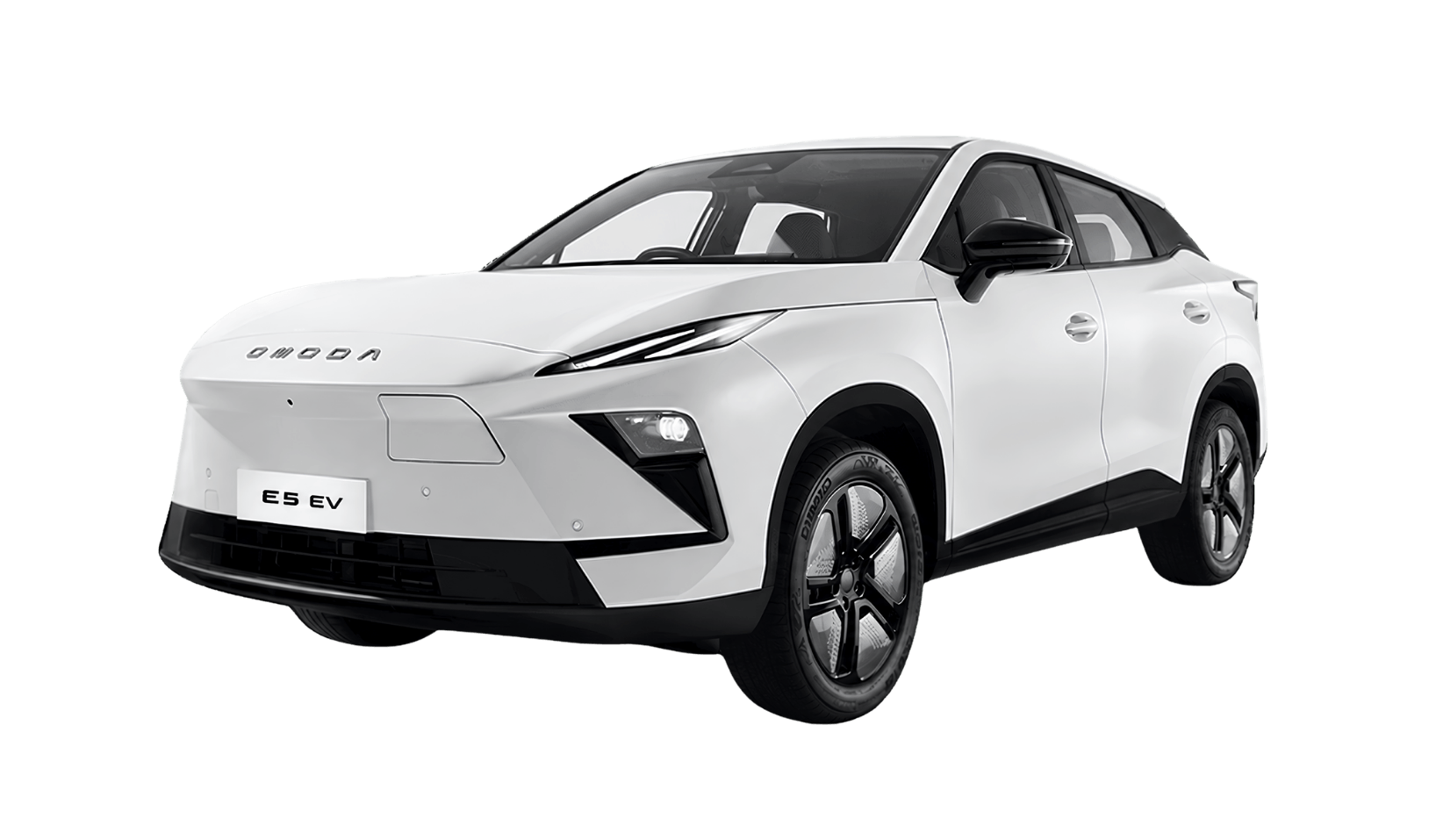
  • For example, the Omoda E5, which is available in Nepal, is a prime example of an EV with a substantial range. The Omoda E5 boasts an impressive range of around 450 kilometers on a single charge, making it well-suited for both city driving and longer trips.
  • Considering that most daily driving in Nepal covers much shorter distances, the Omoda E5 easily meets the needs of typical drivers. Additionally, with the growing charging infrastructure in Nepal, any concerns about range anxiety are quickly becoming a thing of the past.

EV Myth 2: EV Batteries Don’t Last Long

FACT: EV batteries are designed for longevity, with warranties to match.

  • Many drivers worry that EV batteries will degrade quickly, necessitating costly replacements. However, EV manufacturers provide extensive warranties on their batteries, often covering eight years or up to 160,000 km.
  • Most EV batteries retain 70–80% of their capacity even after many years of use. Furthermore, advancements in battery technology continue to enhance durability, ensuring that the battery life matches, or even exceeds, the lifespan of the vehicle itself.

EV Myth 3: Charging Takes Too Long

FACT: Charging options vary, and many are quick and convenient.

  • Charging an EV doesn’t have to be a time-consuming process. Home charging units allow for overnight charging, so your vehicle is ready to go each morning. Fast chargers, which are becoming more prevalent in Nepal, can recharge an EV to 80% in about 30 to 60 minutes.
  • With improvements in charging infrastructure and battery technology, charging times are constantly decreasing, making EVs more convenient than ever.

EV Myth 4: EVs Are Too Expensive

FACT: While the upfront cost may be higher, long-term savings are substantial.

  • The initial purchase price of an EV may seem high, but this needs to be weighed against the long-term savings in maintenance and fuel costs. Electric vehicles have fewer moving parts, meaning they require less maintenance than their internal combustion engine (ICE) counterparts.
  • Additionally, electricity is cheaper than petrol or diesel, leading to significant savings over time. In Nepal, the government has also introduced subsidies and incentives for EV buyers, making them more affordable.

Environmental Impact Myths

EV Myth 6: EVs Are Not Environmentally Friendly

FACT: EVs have a significantly lower environmental impact than traditional vehicles.

  • Some argue that EVs are not as green as they seem, citing the environmental costs of battery production and electricity generation. However, when considering the entire lifecycle, from production to disposal, EVs are far more environmentally friendly than ICE vehicles.
  • EVs produce zero tailpipe emissions, reducing air pollution, and as Nepal increasingly relies on renewable energy sources like hydropower, the carbon footprint of charging EVs continues to shrink.

Performance and Safety Myths

EV Myth 7: EVs Are Slow and Less Powerful

FACT: Modern EVs offer impressive performance, rivaling traditional vehicles.

  • Today's electric vehicles deliver instant torque, providing quick acceleration and a responsive driving experience that rivals or even exceeds that of traditional internal combustion engine (ICE) cars. For example, the Omoda E5, a popular EV model available in Nepal, is equipped with a powerful electric motor that can generate up to 150 kW (201 horsepower) and 340 Nm of torque. This allows the Omoda e5 to accelerate from 0 to 100 km/h in just under 7 seconds, a performance that easily matches or surpasses many ICE vehicles in its class.
  • This immediate availability of power gives EVs a distinct advantage in acceleration, making them not only powerful but also enjoyable to drive.

EV Myth 8: EVs Aren’t Safe

FACT: EVs are equipped with advanced safety features and have excellent safety ratings.

  • Often, safety concerns about EVs stem from unfamiliarity. However, electric vehicles undergo the same rigorous safety testing as traditional vehicles and often surpass them. EVs are equipped with advanced safety features, including automatic emergency braking, lane-keeping assist, and collision warning systems.
  • Many models have received top safety ratings from global organizations, and case studies have shown that EVs perform exceptionally well in real-world accidents.

Practical Myths

EV Myth 9: EVs Can't Handle Cold Weather

FACT: EVs perform well in various climates, with proper care.

  • In cold climates, there is a perception that EVs lose efficiency or fail to operate effectively. While it’s true that extreme cold can affect battery performance, this is a manageable issue. Modern EVs are equipped with battery management systems that regulate temperature and pre-conditioning features that warm up the battery before use.
  • Additionally, drivers can optimize their EVs for cold weather by keeping the vehicle plugged in when not in use and minimizing the use of energy-intensive features like cabin heating.

EV Myth 10: EV Maintenance Is Difficult and Expensive

FACT: EVs are easier and cheaper to maintain than traditional vehicles.

  • Maintaining an EV is often simpler and more cost-effective than maintaining an ICE vehicle. Electric vehicles have fewer components that can wear out, such as oil, spark plugs, and timing belts.
  • Regular maintenance for an EV typically includes tasks like checking tire pressure, replacing the cabin air filter, and rotating the tires—much less involved than the upkeep required for traditional vehicles. This results in lower maintenance costs and fewer headaches for owners over the vehicle's lifetime.

Conclusion

Electric vehicles (EVs) are becoming an increasingly popular choice in Nepal, offering many benefits like cost savings, environmental friendliness, and impressive performance. Despite this, several myths persist that can mislead potential buyers. We've debunked these myths, showing that modern EVs have more than enough range for daily use, are simple and affordable to maintain, and provide powerful, safe driving experiences. As technology continues to improve and the EV infrastructure in Nepal expands, electric vehicles are proving to be a smart and sustainable choice for drivers across the country.