Factors Affecting EV Resale Value in Nepal
April 19, 2026
Factors Affecting EV Resale Value in Nepal
April 19, 2026
The electric vehicle (EV) market in Nepal is experiencing substantial growth. Recently, there has been a significant adaptation toward electric mobility.
As of early 2026, Nepal ranks second globally in EV adoption, with EVs projected to account for 73% of new car sales. Adoption continues to rise steadily, with Norway leading at 97%.
In contrast, resale value remains a major concern for buyers and sellers alike.
The rate of depreciation in electric vehicles (EVs) is higher than that of conventional vehicles, and it is influenced by factors that are not limited to age and usage.
On average, EVs in Nepal can lose 50–60% of their value within five years, with even steeper depreciation in the early years. In some cases, vehicles have shown a drop of over 30% within just two years, highlighting how quickly value can change.
This makes resale value an important factor to consider when purchasing an EV.
The battery is the most critical component of an EV. Vehicles with good battery health and remaining warranty tend to retain higher value, as battery replacement can be costly.
Established brands with strong service networks and proven reliability generally maintain better resale value. Popular models attract more buyers, which strengthens demand.
Availability of charging stations affects practicality. EVs in areas with better infrastructure are more desirable in the resale market.
Changes in taxes, import duties, and financing options can influence EV pricing, which directly impacts resale value.
Lower mileage and a well-documented service history increase buyer confidence and help maintain value.
From the above key factors, we get to know that the government of Nepal is providing full support on EV adaptation. Meanwhile, buyers should consider buying well-established and trusted brands so that they won’t face future maintenance and resale problems.
The EV resale market in Nepal is still developing, leading to some common challenges:
These factors often make buyers cautious, affecting resale demand and pricing.
Sellers may implement realistic measures to enhance their property's resale value:
Well-maintained vehicles with proper documentation generally achieve better resale outcomes.
Resale value of EVs in Nepal is influenced by various factors, which include technology, structure, and market awareness.
Even though the depreciation of EVs is higher comparatively, the improving conditions in the EV ecosystem are expected to bring more stability over time.
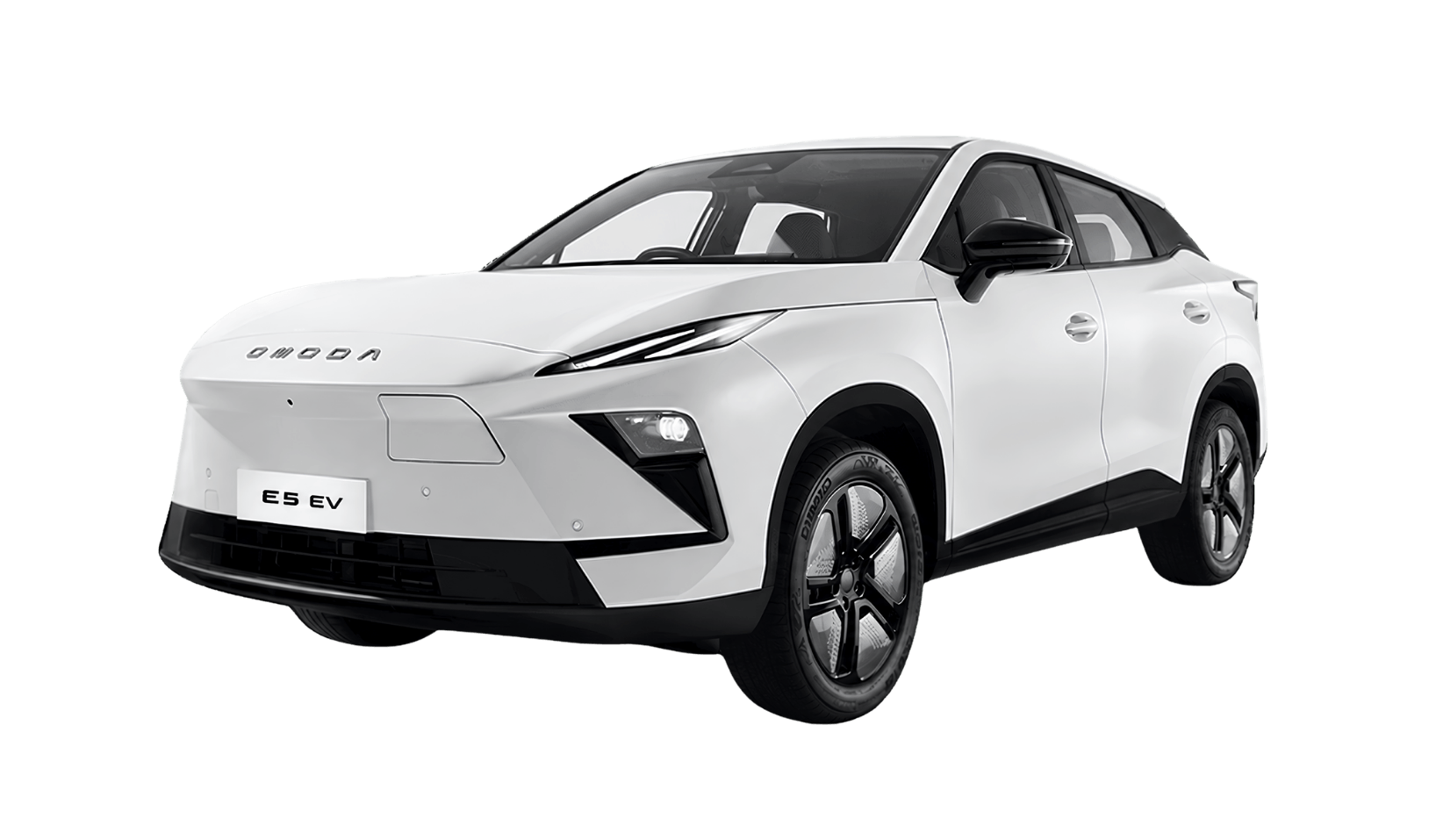
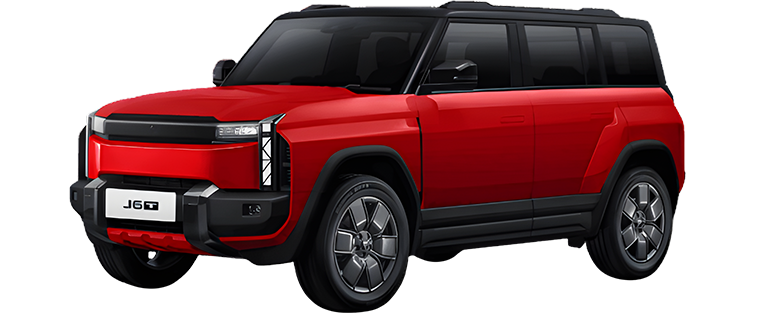
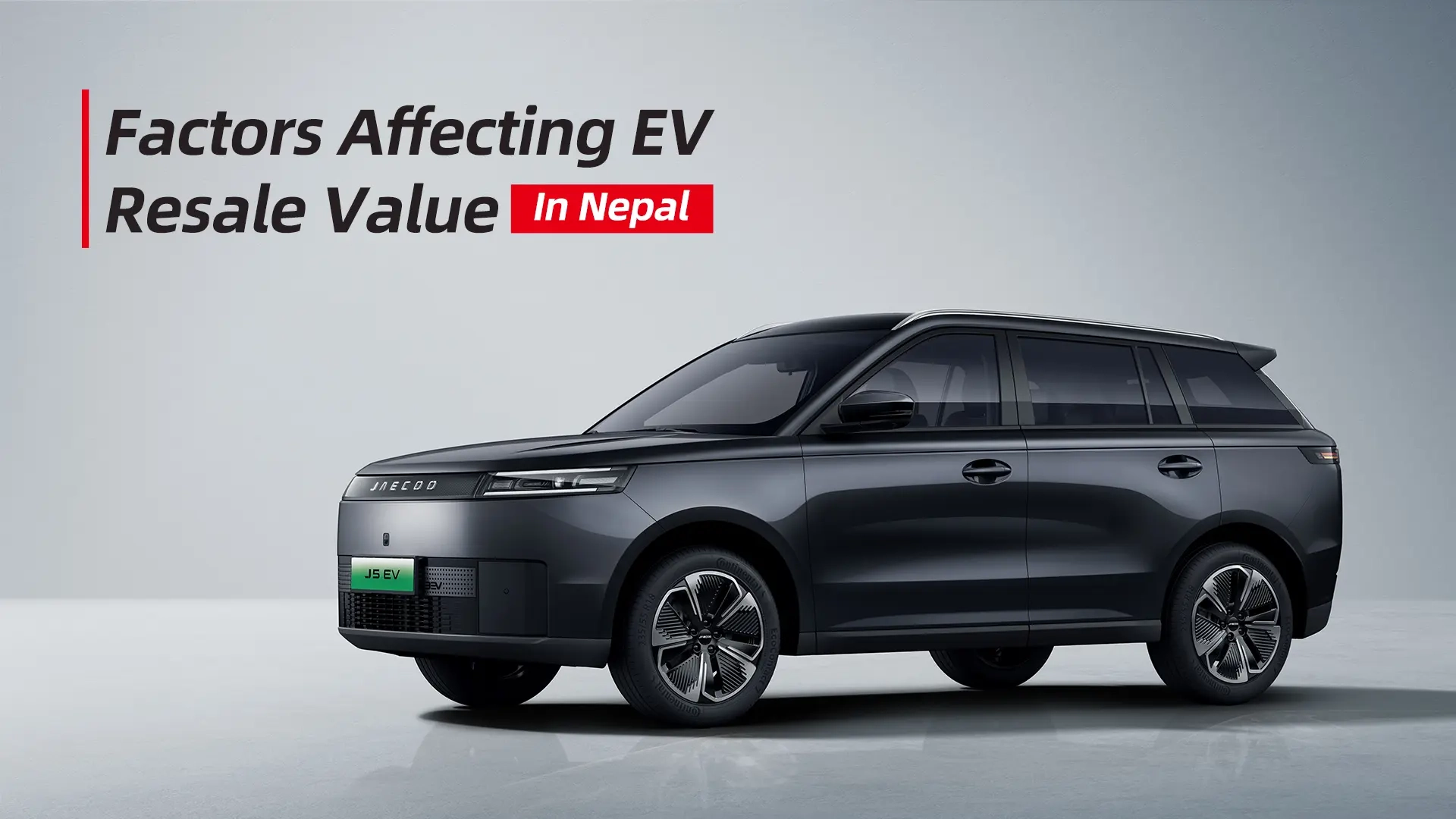
With OMODA & JAECOO, long-term reliability is strengthened through an industry-leading 11-year warranty, and over 20+ charging stations help retain higher resale value by building strong buyer confidence and reducing future ownership concerns.