19+ ADAS Features Explained: What Each One Actually Does?
August 12, 2026
19+ ADAS Features Explained: What Each One Actually Does?
August 12, 2026
Suppose that on a rainy evening in Kathmandu, you are driving along. Poor visibility, unpredictable traffic, and suddenly a bike pops into your blind spot.
A fraction of a second is all it takes for technology to make the difference between a close call and a collision.
That's why many drivers in Nepal are now inquiring about the ADAS features when purchasing a new EV. Modern safety technology is increasingly gaining importance, alongside headlines about range, charging, and design, particularly for drivers operating in Nepal's unique road environment.
Advanced driver assistance systems are revolutionizing the driving experience, ranging from the streets of Kathmandu and Pokhara to the highways of Chitwan, Butwal, Dharan, and Biratnagar. These are the kinds of technology to be aware of when thinking about purchasing an electric SUV for everyday driving or on longer journeys.
This guide will simplify ADAS features in everyday terms, clarify their operation, and provide insights into their significance on Nepali roads.
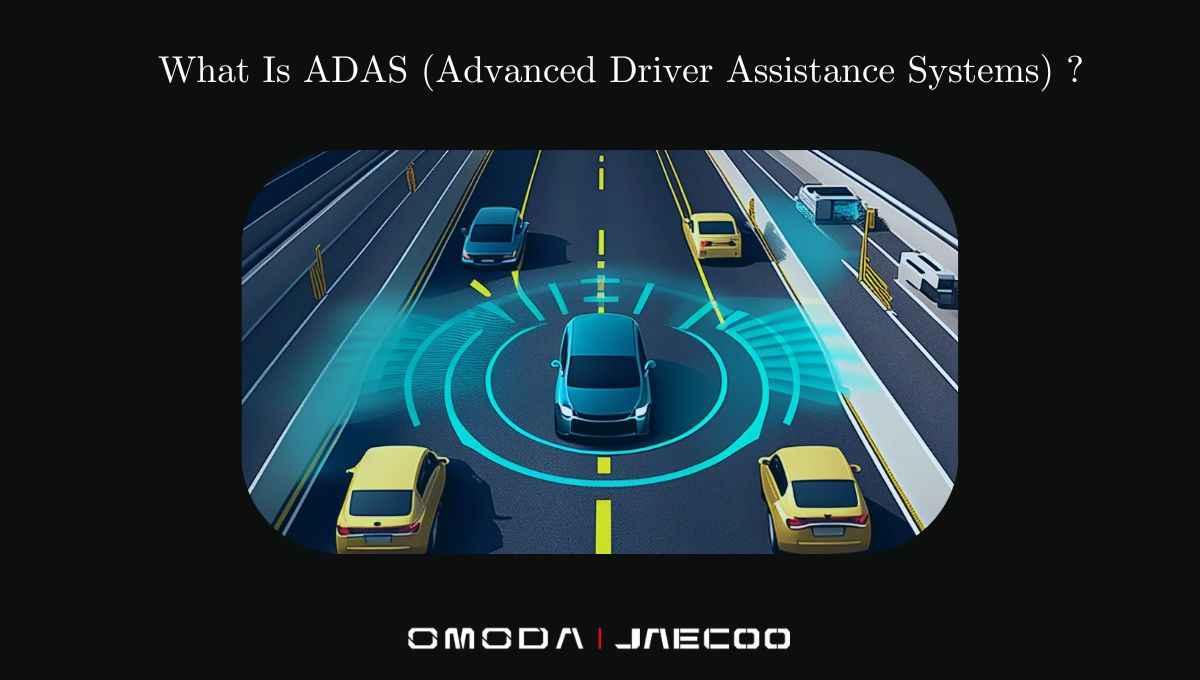
Advanced Driver Assistance Systems (ADAS) are a series of intelligent safety systems that help drivers prevent accidents, drive less tired, and have increased driving confidence.
Many people looking for ADAS features believe that this would allow a car to drive itself. That's not true.
The primary goal of ADAS is to support the driver, not take the driver's place.
These systems use a combination of:
· Cameras
· Radar sensors
· Ultrasonic sensors
· Artificial intelligence software
· Sensor fusion technology
The data from various sources allows the car to gain a more comprehensive understanding of its environment and can issue real-time alerts, steering assistance, braking support, and other safety measures.
Nepal has its own set of driving difficulties:
· Narrow hill roads
· Sudden blind corners
· Dense urban traffic
· Monsoon rainfall
· Unpredictable road users
· Night-time highway driving
Here's where an explanation of the features of ADAS becomes valuable.
A modern EV with driver assistance capabilities can enable drivers to stay aware and minimize risks during everyday driving.
These systems can help to alleviate driving fatigue for frequent travelers between Kathmandu and Pokhara, or for those commuting in and out of Butwal and Chitwan.
A collision warning system alerts drivers to potential collisions with vehicles, pedestrians and obstacles in front.
When a possible crash is detected, the system warns the driver by:
· Visual warnings
· Audible alerts
· Dashboard notifications
This provides the driver with much-needed reaction time.
Today, the most significant ADAS capabilities are explained, one of which is Automatic Emergency Braking.
When the driver does not react to a potential collision, the braking force can be applied automatically to minimize the impact of the collision or even prevent the collision.
The feature is particularly helpful in Kathmandu's unpredictable road traffic.
Lane Departure Warning uses forward-facing cameras to detect lane markings.
A warning is issued to the driver if the vehicle drifts unintentionally from its lane without using the turn signal.
This feature is especially helpful when traveling on long highways where fatigue can make it hard to focus on.
Lane Keep Assist is not just a warning system; it's a steering assist system.
The system will gently steer the vehicle back into the lane if it starts to drift from the lane.
Lane Keep Assist is not just a warning system; it's a steering assist system.
The system will gently steer the vehicle back into the lane if it starts to drift from the lane.
LDW warns.
LKA assists.
Lane centering technology brings assistance to another level.
The system does not correct the vehicle when it drifts out of position; it continually assists in keeping the vehicle in the center of the lane.
This is usually combined with adaptive cruise control in Level 2 ADAS systems.
A Blind Spot Warning system is a system that detects areas that are not visible to mirrors.
If another car drives into your blind spot, both side mirrors and the dashboard flash an alert.
It is one of the most useful driver assistance technologies available today for congested inner-city streets and busy highways.
Backing out of parking spaces can be challenging.
Rear Cross Traffic Alert detects vehicles on both sides as you're reversing back and alerts the driver before a potential cross-traffic collision.
Adaptive Cruise Control is one of the most valued features of all of the features explained.
ACC differs from regular cruise control, which simply keeps the vehicle from accelerating or decelerating.
Benefits include:
· Reduced fatigue
· Smoother driving
· Improved highway comfort
Kathmandu and Pokhara are increasingly experiencing heavy traffic.
Traffic Jam Assist is a combination of steering assistance and adaptive cruise control for assisting in handling slow-moving traffic.
During this period, the car will be able to accelerate, brake, and hold the lane position while the driver is monitoring the situation.
Highway Driving Assist brings together multiple ADAS in car technologies for an integrated drive.
Typically, it integrates:
· Lane centering
· Speed management
This makes the trip on the freeway more relaxed and confident.
Using camera technology, the vehicle can detect:
· Speed limit signs
· Stop signs
· Warning signs
It then shows up directly on the instrument console.
Road trips at night between the principal cities of Nepal can be difficult.
High Beam Assist automatically activates high beam/high beam assist to adapt to traffic conditions.
This provides good visibility without causing confusion or glare for other drivers.
A Driver Attention Warning system provides monitoring of driving behavior for fatigue and distraction.
The car detects steering patterns that are unusual or a decreased level of attention and suggests that the driver takes a break.
A 360 camera provides a bird's-eye view around the car.
This is particularly helpful when:
· Parking in tight spaces
· Navigating crowded streets
· Maneuvering around obstacles
It's one of the most useful parking technology options available to many urban drivers.
Modern parking assist systems aid drivers in parking in confined spaces through cameras, sensors, and steering assistance.
These systems help alleviate parking stress and boost confidence.
Safe Exit Assist is designed to prevent occupants from opening doors into oncoming traffic.
This feature is especially handy in urban or populated areas.
Many buyers look for ADAS features explained because of the fear of poor performance in the monsoon season.
While modern systems are designed to operate under some tough weather conditions, they can be affected by:
· Heavy rainfall
· Dense fog
· Dirty sensors
· Obstructed cameras
Cameras and sensors must always be kept free of dirt, and drivers should stay vigilant even while ADAS systems are in operation.
|
Feature |
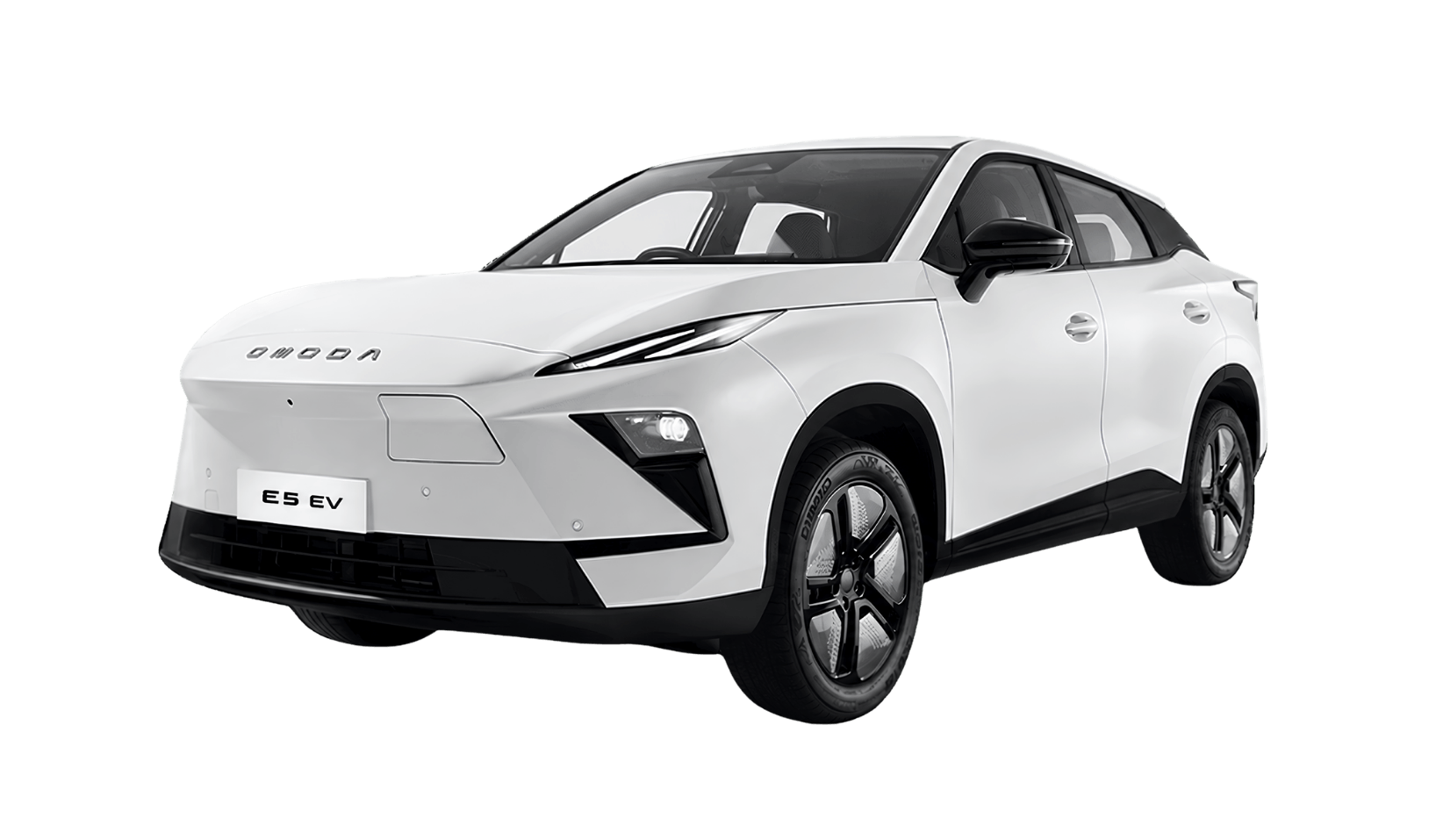
Omoda E5 |
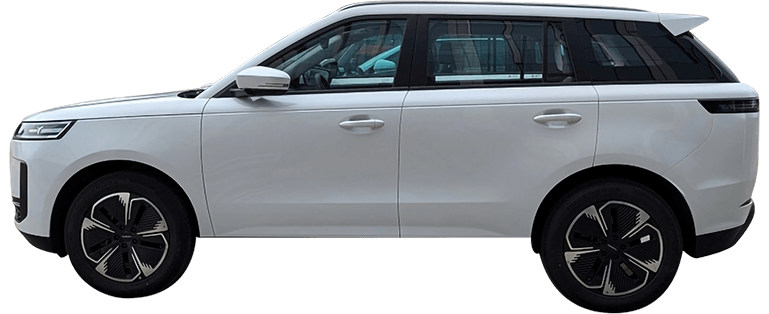
Jaecoo J5 |
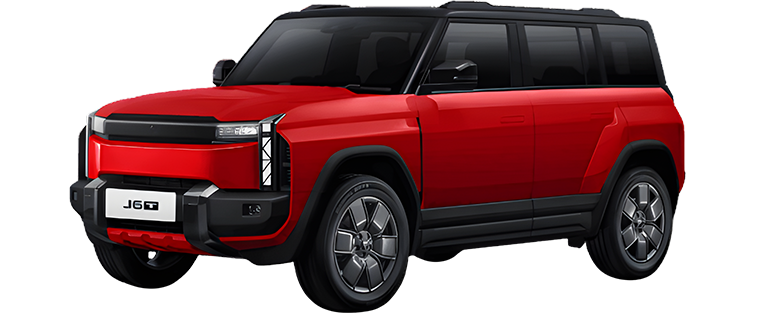
Jaecoo J6T |
|
Automatic Emergency Braking |
✓ |
✓ |
✓ |
|
Lane Departure Warning |
✓ |
✓ |
✓ |
|
Lane Keep Assist |
✓ |
✓ |
✓ |
|
Adaptive Cruise Control |
✓ |
✓ |
✓ |
|
Blind Spot Warning |
✓ |
✓ |
✓ |
|
Rear Cross Traffic Alert |
✓ |
✓ |
✓ |
|
Traffic Jam Assist |
✓ |
✓ |
✓ |
|
Highway Driving Assist |
✓ |
✓ |
✓ |
|
360 Camera |
✓ |
✓ |
✓ |
|
High Beam Assist |
✓ |
✓ |
✓ |
|
Driver Attention Warning |
✓ |
✓ |
✓ |
|
Safe Exit Assist |
✓ |
✓ |
✓ |
Depending on variant and model year, features may vary. Contact us at Omoda Jaecoo Nepal for the latest specifications.
When evaluating ADAS features explained, don't focus solely on the number of technologies available.
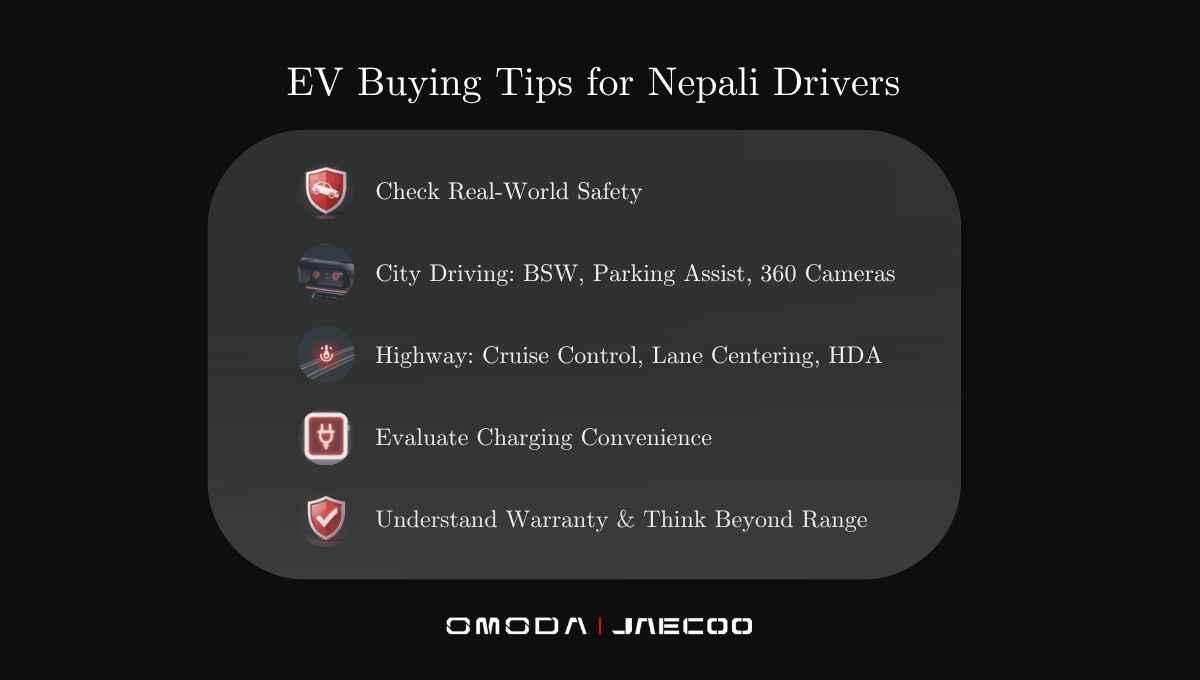
Take the full ownership journey into account.
Look for:
· Active safety systems
· Crash mitigation technologies
· The most effective way to achieve good results is to combine multiple ADAS functions.
For city driving:
· Blind spot warning
· Parking assist
· 360 cameras
For highways:
· Adaptive cruise control
· Highway driving assist
· Lane centering
When considering buying an EV, check:
· Charging infrastructure
· Long-distance travel routes
A strong warranty can provide long-term peace of mind for EV ownership.
Range is important, but having high-quality safety features in an SUV can make a significant difference in daily driving confidence.
The conversation around EVs is changing.
In the past few years, buyers were primarily interested in battery range and charging speeds.
Nowadays they are more often asking about:
· Safety technology
· Driver assistance features
· Connectivity
· Comfort
This is why a comprehensive understanding of ADAS features, explained, is now key to the selection of the best electric vehicle.
The top EVs offer a range of features, from efficiency and technology to comfort and advanced safety.
With the advent of smarter, safer, and more connected mobility, knowing about ADAS features explained is as crucial as knowing battery range or charging speed in the case of Nepal's automotive market.
From navigating the hustle and bustle of Kathmandu traffic to exploring the beauty of Pokhara, or driving in Butwal, Chitwan, Dharan, and Biratnagar, advanced safety technologies can help ensure a confident and comfortable journey.
Visit an Omoda Jaecoo Nepal showroom to explore our latest electric SUVs, experience advanced driver assistance technologies firsthand, and book a test drive to discover the future of electric driving.
Advanced Driver Assistance Systems (ADAS) are a collection of technologies that enhance safety and driving convenience.
No. ADAS supports the driver; it is not a replacement driver.
Many safety experts say that Automatic Emergency Braking is one of the most important safety features currently available.
Yes, many systems can help drivers on hill roads, but it will depend on the road marking, visibility, and weather.
During the rainy season, ADAS can help give you that extra awareness, but remember to pay attention and be ready for the driver to take control.
In many cases, smoother acceleration and braking can help to achieve improved efficiency.
Yes. Advanced ADAS packages are now available (or standard) as part of many modern EVs.
Go through our most recent model details on Omoda Jaecoo Nepal or contact our product specialist for more information.